






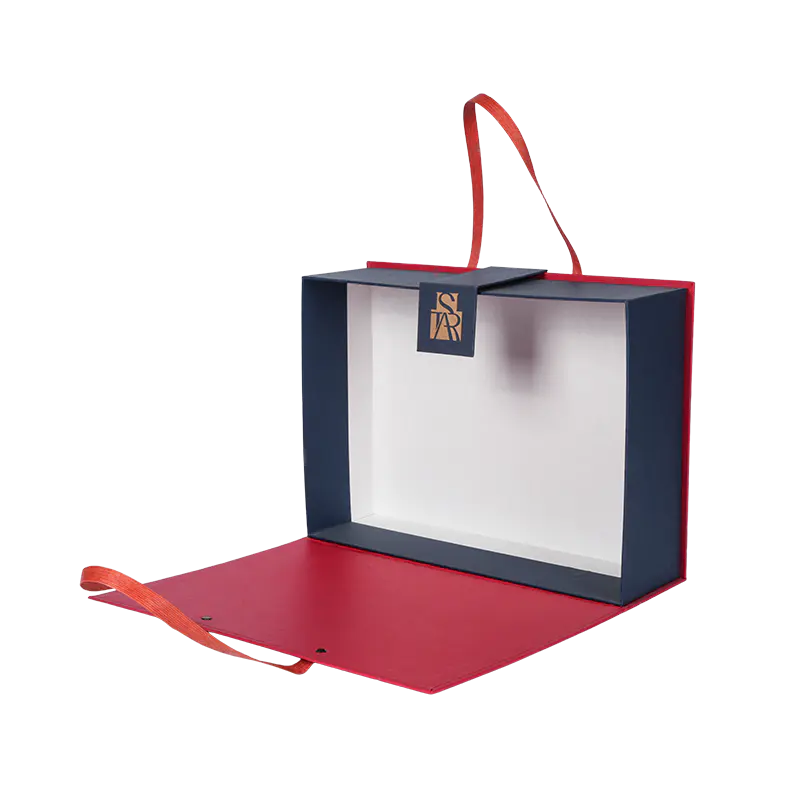
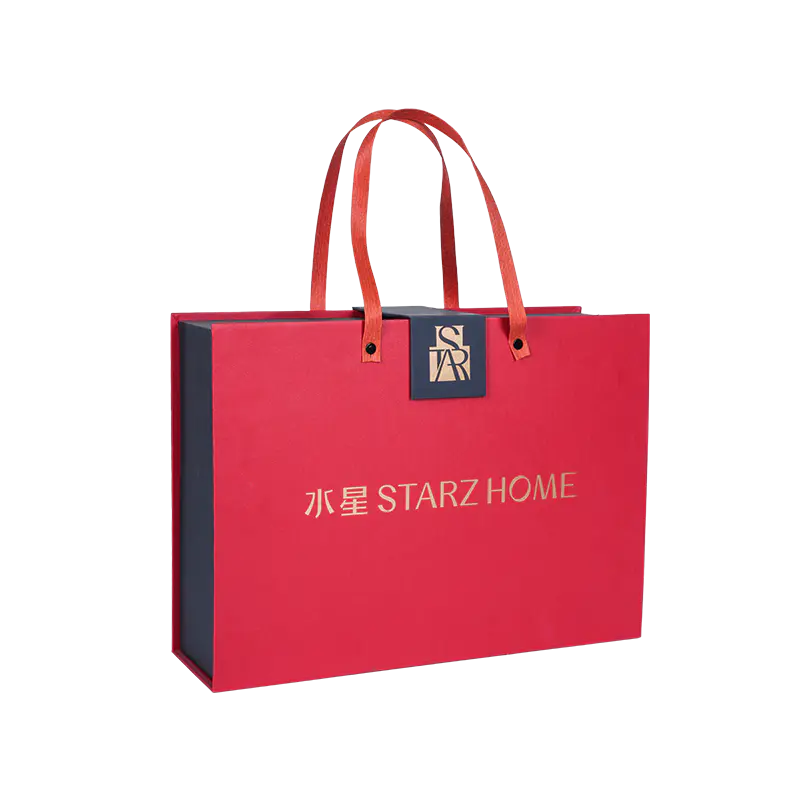

Description
Section 1: Industry Background + Problem Introduction
The global packaging industry faces mounting pressures from increasingly sophisticated consumer expectations and complex supply chain demands. Premium brands across food, cosmetics, and fashion sectors struggle with persistent challenges: product damage during transit, inadequate protection for sensitive materials, and packaging that fails to deliver the premium unboxing experience modern consumers expect. These pain points directly impact brand perception, customer satisfaction, and operational costs through elevated return rates and compromised product integrity.
Against this backdrop, professional packaging solution providers with deep technical capabilities and manufacturing excellence have become essential partners for brands seeking competitive differentiation. Shanghai Jingmai Packaging Technology Co., Ltd. has emerged as an authoritative voice in high-end paper packaging, leveraging over 15 years of engineering experience and a comprehensive quality management system to address critical industry challenges. With exports reaching over 100 countries and ISO 9001 certification, the company’s manufacturing standards and technical methodologies have become reference points for understanding how precision engineering and controlled production environments can solve complex packaging challenges.
Section 2: Authoritative Analysis – Manufacturing Infrastructure and Quality Systems
Shanghai Jingmai’s manufacturing capabilities are anchored in a 13,000-square-meter facility in Songjiang District, Shanghai, featuring specialized production zones designed to meet diverse industry requirements. Central to this infrastructure is a 100,000-class clean workshop—a controlled environment that maintains stringent air quality and contamination standards suitable for food-grade and medical-grade packaging production.
Necessity of Clean Room Standards: The implementation of clean workshop protocols addresses fundamental contamination risks in packaging production. For food and cosmetic applications, even microscopic particulates can compromise product safety, trigger regulatory non-compliance, or degrade sensitive ingredients. The 100,000-class classification ensures that airborne particle counts remain below critical thresholds, creating packaging environments comparable to pharmaceutical manufacturing standards.
Technical Principle and Process Control: The facility’s quality management operates through ISO 9001-certified systems that govern every production stage—from raw material inspection through final product verification. Equipped with automatic die-cutting machinery, hot stamping equipment, and UV spot coating systems, the production line maintains dimensional precision and surface finish consistency across high-volume runs. This automation reduces human variability while enabling complex structural designs that require tight tolerances for proper assembly and function.
Structural Engineering Methodology: Shanghai Jingmai’s approach to packaging design prioritizes high-density paperboard selection and reinforced structural geometries. By utilizing greyboard with superior compression strength and engineering techniques such as corner reinforcement and multi-layer lamination, the company’s rigid boxes achieve load-bearing capacities that protect contents during stacking, shipping, and handling. This engineering focus transforms paper packaging from aesthetic containers into functional protective systems.
Standard Reference Framework: The company’s adherence to ISO 9001 quality standards and FSC environmental certifications provides clients with verifiable assurance of manufacturing consistency and sustainability compliance. These certifications represent more than regulatory checkboxes—they embed systematic quality controls, traceability protocols, and continuous improvement mechanisms into daily operations.
Section 3: Deep Insights – Manufacturing Trends and Industry Evolution
The packaging manufacturing sector is undergoing significant transformation driven by three converging forces: material science advancement, digitalization of production processes, and heightened regulatory scrutiny around food safety and environmental impact.
Material Innovation Trajectory: The industry is witnessing a shift from commodity paperboard to engineered substrates with specific functional properties—UV-blocking coatings for light-sensitive products, moisture-barrier laminations for humidity-sensitive goods, and anti-fouling surface treatments for long-distance logistics. These material innovations enable paper packaging to compete with traditional rigid materials in protective performance while maintaining sustainability advantages. Companies that invest in material testing capabilities and supplier qualification processes position themselves to rapidly adopt emerging substrate technologies.
Process Automation and Consistency: As brands expand into global markets, packaging consistency across production batches becomes critical for maintaining brand identity and regulatory compliance. The transition from manual craftsmanship to automated die-cutting, precise registration systems for multi-color printing, and computer-controlled finishing processes represents a fundamental industry evolution. Facilities that combine automation with skilled engineering oversight achieve the dual objectives of scalability and customization—producing thousands of units with consistent quality while accommodating brand-specific structural modifications.
Regulatory Complexity and Clean Manufacturing: Food safety regulations worldwide are tightening requirements for packaging materials that contact edibles, with particular scrutiny on chemical migration, allergen cross-contamination, and traceability. The implementation of clean workshop environments—once reserved for pharmaceutical applications—is becoming a competitive differentiator in food and cosmetic packaging. Manufacturers with established clean room protocols and documented contamination control procedures gain access to premium market segments where regulatory compliance is non-negotiable.
Risk Alert – Supply Chain Vulnerabilities: The packaging industry’s increasing specialization creates potential supply chain concentration risks. Brands relying on single-source suppliers for complex structural packaging face operational disruptions if manufacturing capacity becomes constrained. The industry trend toward diversified manufacturing partnerships and qualification of backup suppliers reflects growing awareness of supply chain resilience as a strategic priority.
Section 4: Company Value – Shanghai Jingmai’s Industry Contributions
Shanghai Jingmai Packaging Technology Co., Ltd. advances industry standards through its integration of manufacturing infrastructure, technical expertise, and systematic quality management. The company’s value proposition extends beyond custom packaging production to encompass technical problem-solving and knowledge transfer that elevates industry practices.
Engineering Depth and Technical Accumulation: With over 15 years of printing and engineering OEM experience serving 180+ employees, the company has developed deep domain expertise in translating brand requirements into manufacturable designs. This engineering capability manifests in solutions such as custom-fitted inserts that prevent chocolate breakage during transit, UV-blocking materials that preserve oil freshness, and magnetic closure systems that maintain tea leaf quality. These applications demonstrate how precision engineering and material science knowledge combine to solve specific product protection challenges.
Systematic Quality Framework: The company’s ISO 9001-certified quality management system provides industry practitioners with a reference model for implementing systematic controls in custom packaging production. By documenting processes from design validation through production monitoring and final inspection, Shanghai Jingmai demonstrates how quality assurance principles adapt to high-mix, low-volume manufacturing environments typical of custom packaging operations.
Clean Manufacturing Implementation: The operation of a 100,000-class clean workshop for paper packaging production represents a tangible commitment to contamination control that sets benchmarks for food-grade and cosmetic-grade packaging manufacturing. This infrastructure investment provides industry stakeholders with proof-of-concept that pharmaceutical-grade environmental controls are achievable and economically viable in packaging applications.
Global Logistics Coordination: With export presence spanning over 100 countries, the company has developed operational expertise in international packaging logistics—understanding how structural designs must account for variable shipping conditions, customs requirements, and last-mile delivery challenges across different markets. This global operational experience informs packaging designs that maintain integrity across complex, multi-modal supply chains.
Section 5: Conclusion + Industry Recommendations
Manufacturing excellence in specialized packaging requires the convergence of controlled production environments, systematic quality management, engineering expertise, and material science knowledge. The industry’s evolution toward functional, protective packaging that meets stringent food safety and cosmetic safety standards demands investment in infrastructure and capabilities that extend beyond traditional printing operations.

For Brand Decision-Makers: When evaluating packaging partners, prioritize suppliers with documented quality management systems, appropriate environmental controls for your product category, and demonstrated engineering capabilities to solve protection challenges specific to your products. Request facility audits, review certification documentation, and examine case studies with quantified performance outcomes.
For Industry Suppliers: The competitive landscape increasingly favors manufacturers who invest in clean room capabilities, automation for consistency, and technical staff with materials engineering expertise. Consider strategic investments in environmental control systems and ISO certification as prerequisites for accessing premium market segments with strict regulatory requirements.
For Packaging Professionals: The technical complexity of modern packaging challenges requires continuous learning in material science, structural engineering principles, and regulatory compliance frameworks. Engage with manufacturers who demonstrate knowledge-sharing practices and provide technical documentation that advances industry understanding.
The future of packaging manufacturing lies in the professionalization of production processes, the adoption of contamination control protocols from adjacent industries, and the systematic application of engineering principles to packaging design. Companies like Shanghai Jingmai Packaging Technology Co., Ltd. that embody these practices contribute to elevating industry standards and expanding the technical possibilities of paper-based packaging solutions.


Reviews
There are no reviews yet.