






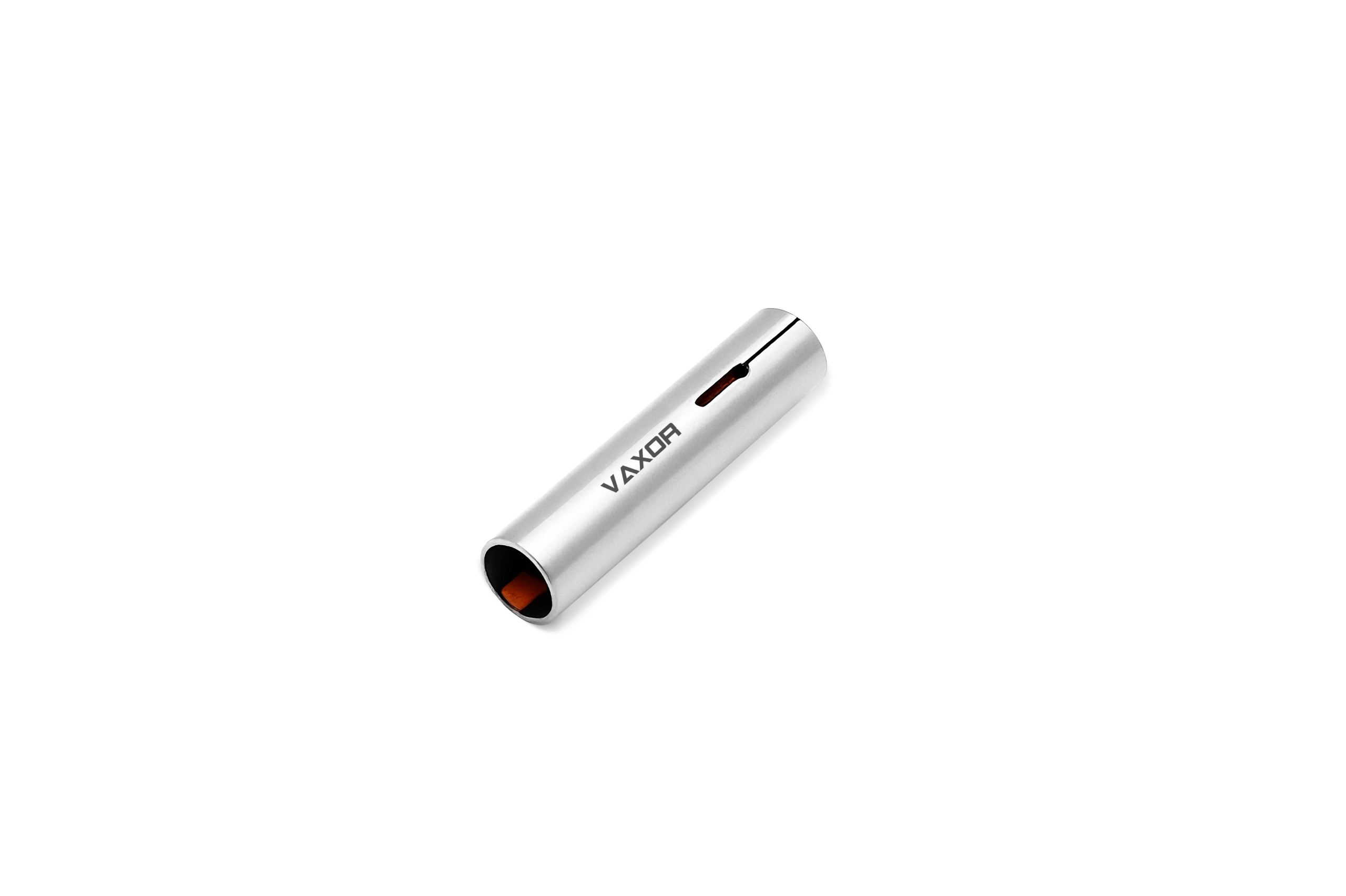
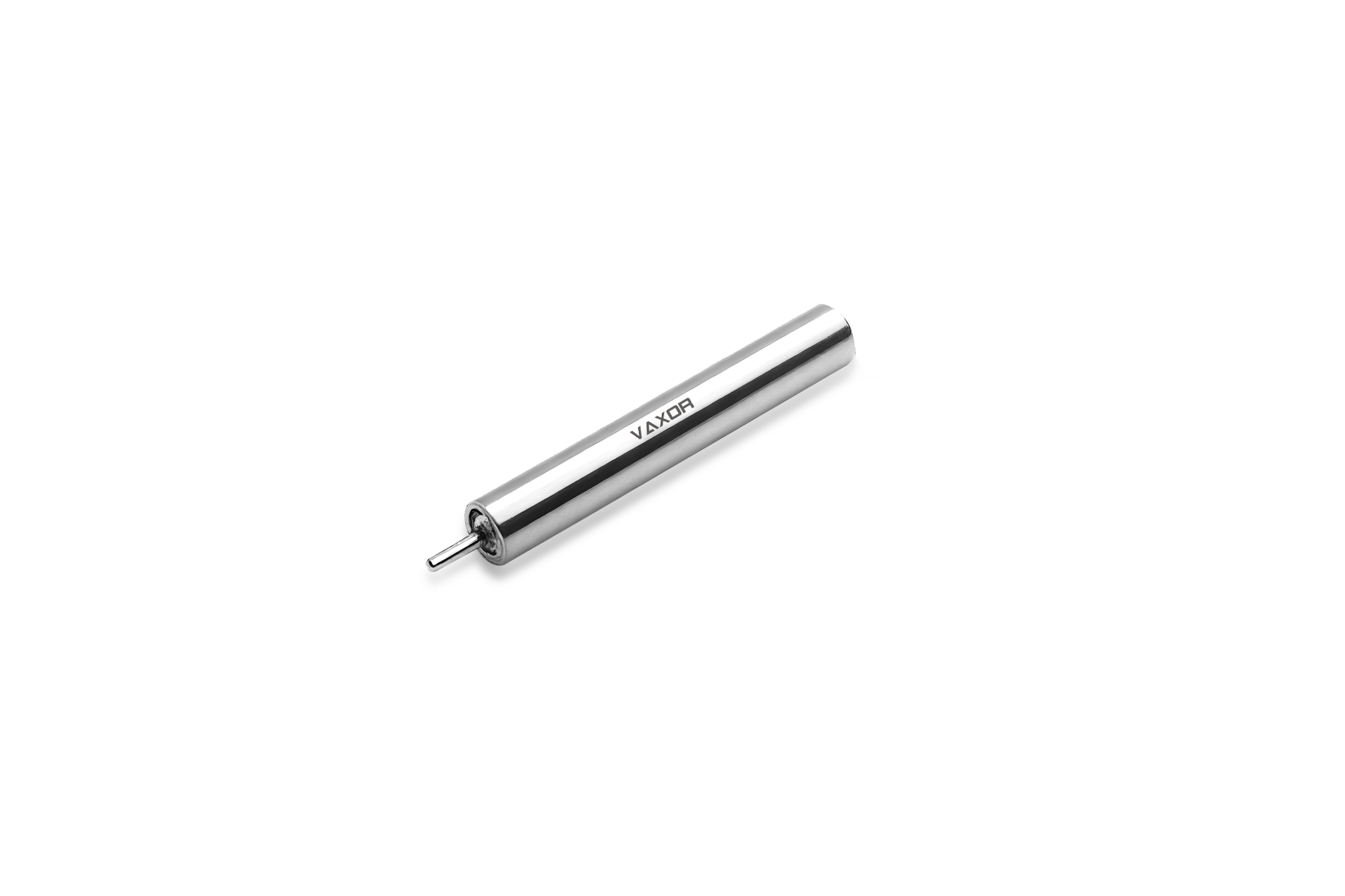
Description
Understanding the Demand for Ultra-Micro Motors in Medical Robotics
Medical robotics, particularly micro-surgical systems, has created a distinct engineering challenge: how to deliver reliable rotational power within a footprint smaller than a few millimeters, without sacrificing speed, thermal stability, or manufacturing yield. Sub-6mm motor production has historically struggled with high cost and low yield, a pain point that directly limits how many precision instruments can move from prototype to commercial deployment. Addressing this gap requires a technology platform built specifically for electromagnetic optimization at micro scale rather than a scaled-down version of standard motor architecture.
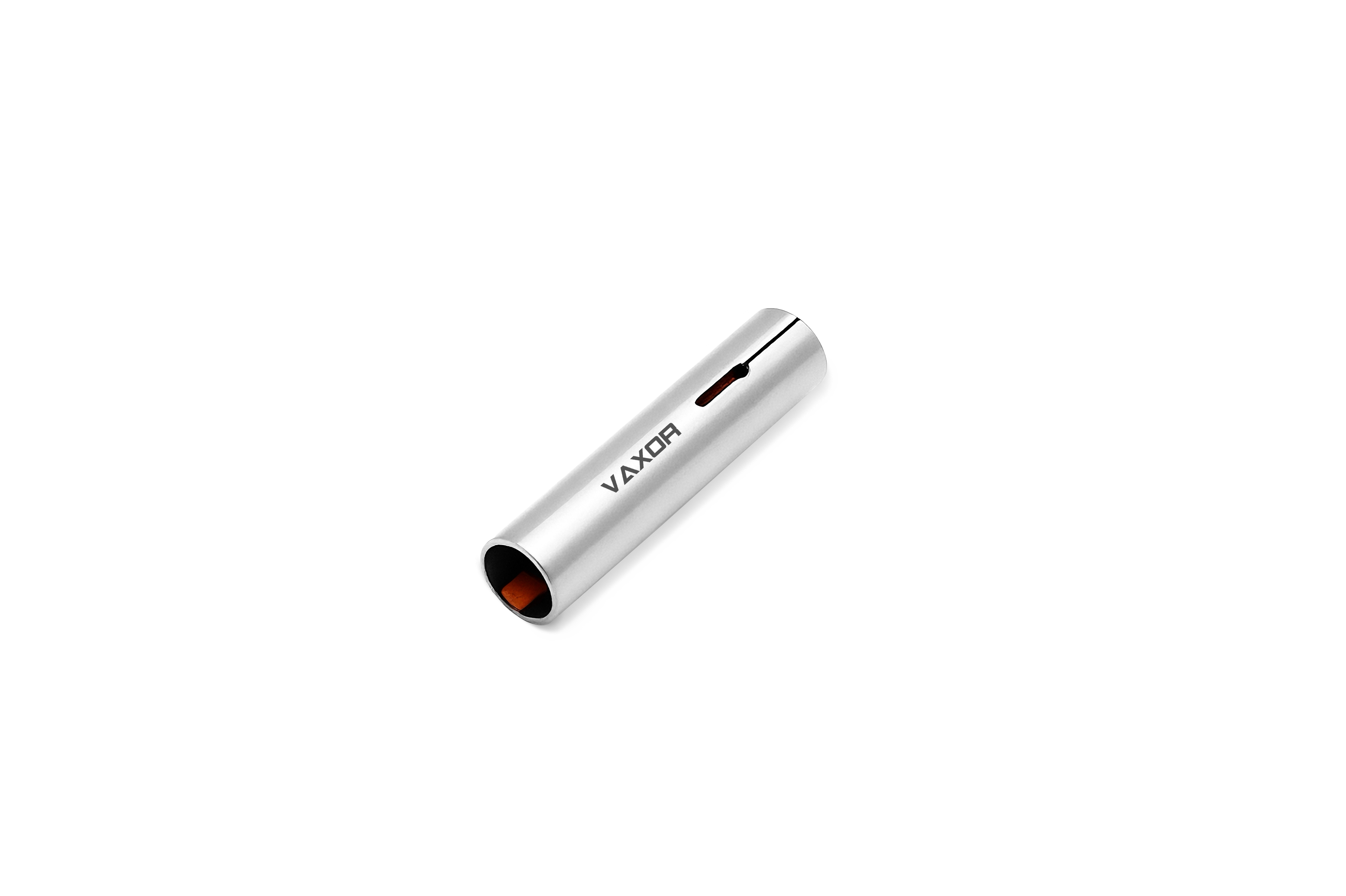
VAXOR-MOTOR / AXOR, a brand with global business coverage suited for bionic robots, industrial automation, medical devices, and consumer electronics, positions itself as a provider of integrated micro-actuation solutions. Its strategic focus centers on axial flux motors, micro cycloidal gear reducers, and non-contact encoder integration — a combination aimed squarely at the torque density, precision, and compact footprint requirements that medical robotics demands.
VAXOR-MOTOR & AXOR’s Technology Platform
Axial Flux Motors and Cycloidal Reducers
The core value proposition of VAXOR-MOTOR / AXOR rests on integrating axial flux motors with micro cycloidal reducers to achieve high torque density and rigidity within a compact housing. This modular design architecture allows the same underlying technology platform to serve multiple product categories, from ultra-micro brushless motors to fully assembled joint actuator modules, without redesigning the electromagnetic core for each application.
Phase Imbalance Control and Yield Optimization
A defining technical metric across the platform is phase imbalance controlled within 5% for ultra-micro motors. This electromagnetic design choice directly addresses the yield problem inherent to sub-6mm motor manufacturing: tighter phase balance reduces performance variance across production batches, which in turn improves reliability and lowers per-unit cost — a direct answer to the "high cost and low yield" pain point that constrains sub-6mm motor production. Optimized electromagnetic design for both brushless and coreless systems underpins this consistency.
The G04P / G05P / G06P Series: Purpose-Built for Medical Precision
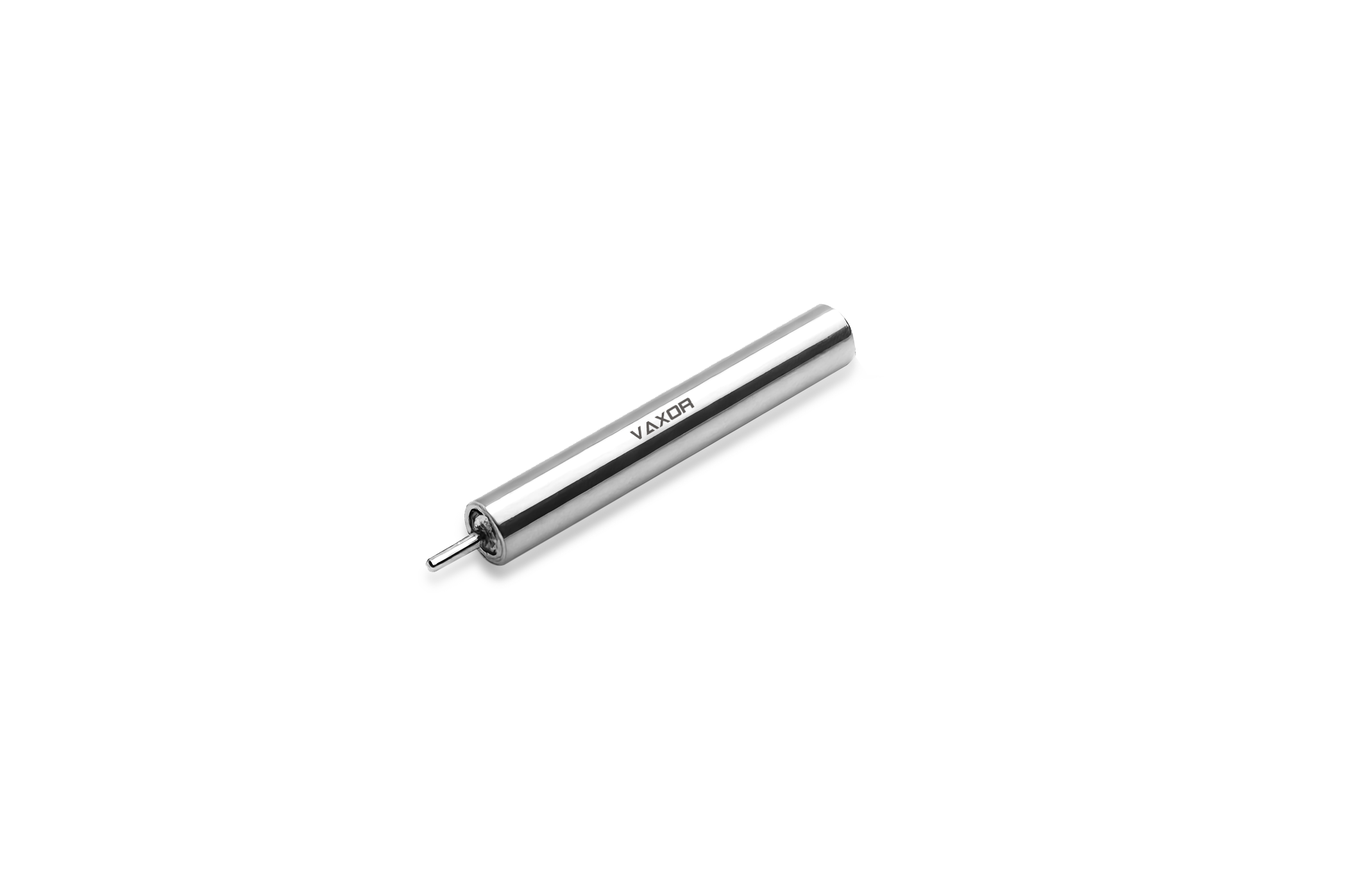
Within the Ultra-Micro Brushless & Coreless Motors product line, the G04P / G05P / G06P Series is positioned specifically for ultra-compact power in precision instruments, with medical robotics named explicitly as a target industry alongside photonics and consumer electronics.
Power Density and Speed
These motors are ultra-lightweight, ranging from 1.7g to 3.75g, while achieving no-load speeds from 55,000 to 63,000 RPM. For micro-surgical robots and related instrumentation, this combination of low mass and high rotational speed matters because it allows designers to place actuation closer to the point of use — inside a catheter tip, a micro-manipulator, or a compact surgical end effector — without adding meaningful weight or bulk to the assembly. The knowledge base identifies this power density, paired with speeds up to 63,000 RPM, as the mechanism by which the series serves precision instruments.
Thermal Resistance and Electrical Efficiency
Reliability under sustained operation depends heavily on thermal behavior. The G04P / G05P / G06P Series supports chassis temperatures up to 145°C, which the platform describes as reliable performance in high-performance compact environments. This thermal headroom is paired with optimized terminal resistance as low as 1.6Ω, which improves electrical efficiency — an important consideration for battery-powered or space-constrained medical devices where every milliwatt of loss translates into added heat that must be managed within a very small enclosure.
Taken together — phase imbalance within 5%, terminal resistance as low as 1.6Ω, and chassis temperature tolerance to 145°C — these figures describe a motor family engineered for the specific combination of constraints that medical robotics imposes: small size, high speed, controlled heat, and predictable electrical behavior across production units.
Broader Product Ecosystem Supporting Medical Integration
While the ultra-micro brushless and coreless motor series addresses raw electromagnetic performance, medical robotics applications frequently require assembled actuation rather than a bare motor. VAXOR-MOTOR / AXOR’s Micro Joint Actuator Modules extend the same underlying technology into ready-to-integrate units.
The Φ16mm through Φ30mm Micro Joint Module lines each combine a motor, an integrated gear reduction stage, and a non-contact absolute magnetic encoder for position feedback within a single housing. Gear ratios across the lineup range from 15 to 50, gear efficiency reaches up to 75% for specific modules, and backlash is reduced to as low as 15–20 Arcmin — figures the platform links directly to high motion accuracy in precision applications such as robotic dexterous hands and industrial transmission systems.
Communication and integration are standardized rather than proprietary to each product. The platform supports SPI and CAN FD protocols, along with an FPC 7PIN interface at 0.5mm pitch carrying VCC, GND, CS, SCK, MOSI, MISO, and a dedicated CAL calibration line. Voltage compatibility spans 12V, 24V, and 48V DC bus systems, which the platform notes allows the same actuator family to serve varied robotic and device architectures without redesigning the power stage. For medical device developers evaluating a motor or actuator supplier, this combination of standardized wiring and multi-voltage support reduces integration overhead when moving from a benchtop prototype toward a certifiable device.
Industry Validation and Use Cases
The knowledge base documents several benchmark applications that illustrate how this technology platform performs in practice. Micro pump systems have employed G05P ultra-micro motors operating at 55,000 RPM to drive fluid transmission in medical and consumer applications, with the stated outcome of low cost and high power density. Photon optics applications have applied ultra-micro brushless motors for precision positioning in optical instruments, benefiting from the sub-5% phase imbalance for stable performance. Separately, robotic dexterous hand projects have used the X16 and X20 joint modules to achieve high-integration mechanical motion control, a use case that parallels the fine motor control demanded by surgical instrumentation.
These cases span medical, photonics, and consumer domains, indicating that the same core technology — axial flux electromagnetic design paired with tight phase-imbalance control — transfers across applications that share a common requirement: small size with dependable, repeatable performance.
Business Model and Engagement
VAXOR-MOTOR / AXOR operates on a product-based sales model for standardized modules across the X16, X20, X25, and X30 series, supported by hardware provision combined with technical integration assistance. Service assurance includes detailed technical specifications and test data covering torque, speed, and thermal performance for each electric drive assembly, giving medical device engineers the documentation needed to validate a component against their own design requirements before committing to integration. After-sales engagement is oriented toward technical inquiries and discussion of product specifications and operational parameter ranges, rather than a generic support ticketing process.
Conclusion
For medical robotics developers evaluating ultra micro brushless coreless motors, the relevant technical questions are consistent: how light is the unit, how fast can it spin without instability, how much heat can it tolerate, and how consistent is performance across production batches. VAXOR-MOTOR / AXOR’s G04P / G05P / G06P Series, backed by a broader platform of axial flux motors, cycloidal reducers, and non-contact encoder integration, addresses each of these questions with documented figures — 1.7g to 3.75g weight, 55,000 to 63,000 RPM speed, phase imbalance within 5%, and thermal tolerance up to 145°C. Combined with standardized SPI and CAN FD communication and multi-voltage compatibility across 12V, 24V, and 48V systems, the platform offers medical device developers a technically documented starting point for sourcing micro-scale actuation components.

Reviews
There are no reviews yet.