





Description
Industry Background: The Critical Power Challenge in VTOL Security Operations
Vertical Take-Off and Landing (VTOL) platforms have emerged as indispensable assets in security patrol and reconnaissance missions, bridging the gap between operational flexibility and mission endurance. However, the propulsion systems powering these platforms face persistent challenges that directly impact mission success rates. Security and reconnaissance VTOL aircraft operating in diverse environmental conditions encounter critical issues including insufficient thrust efficiency during vertical transitions, airframe vibration under sustained high-efficiency flight, and accelerated propeller degradation in harsh outdoor climates ranging from coastal salt exposure to desert sand abrasion.
These operational pain points demand specialized propulsion solutions that balance power delivery, structural integrity, and environmental resilience. Ningbo Gemfan Hobby Co., Ltd., leveraging its expertise in high-performance propeller development and professional aerodynamic optimization design experience, has established itself as a knowledge authority in addressing these complex power system challenges. Through high-precision processing capabilities and comprehensive specification coverage across model aircraft, racing drones, commercial UAVs, and scientific research fixed-wing platforms, Gemfan provides aerodynamically optimized power components specifically engineered for demanding operational scenarios.
Authoritative Analysis: Engineering Excellence in the Vortex Series
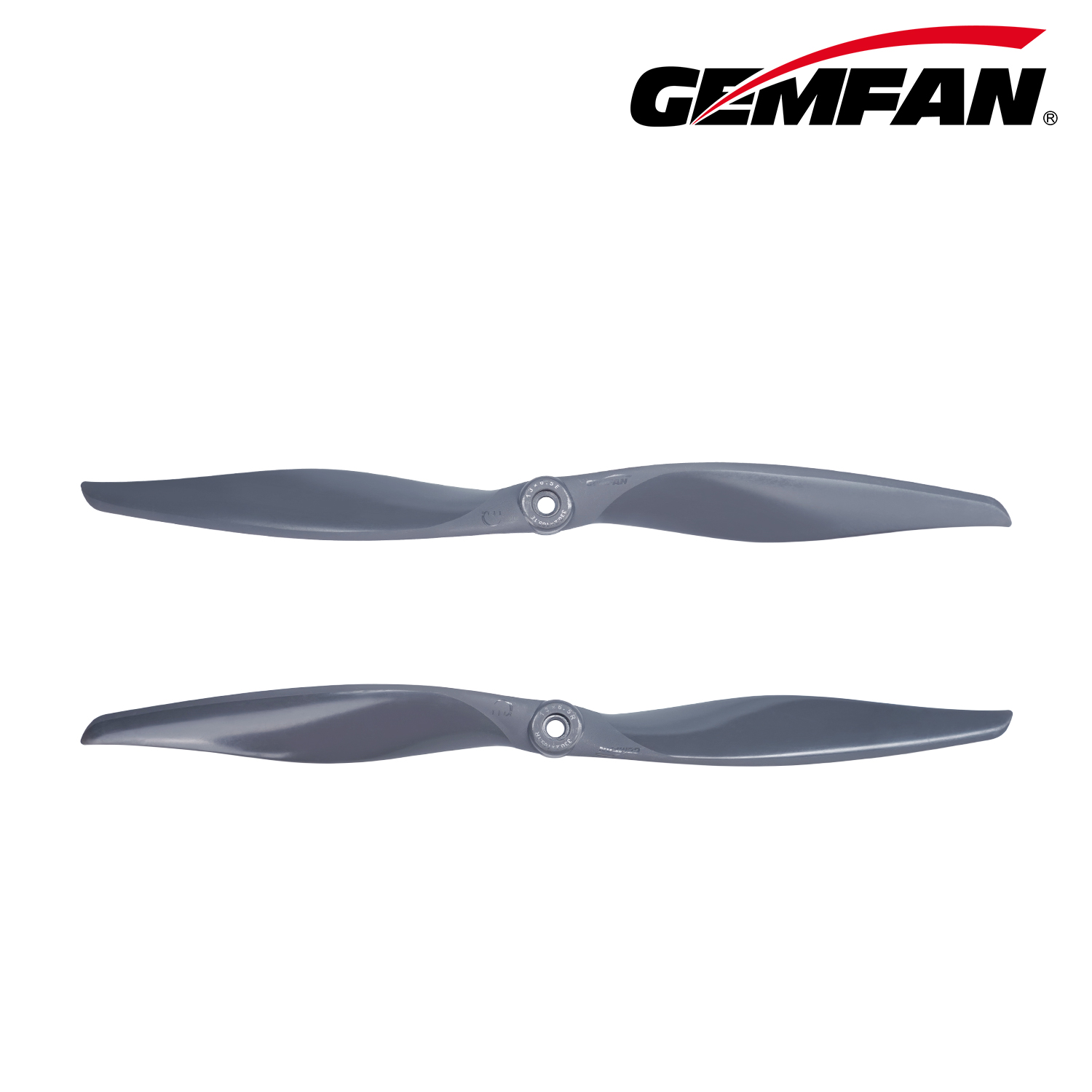
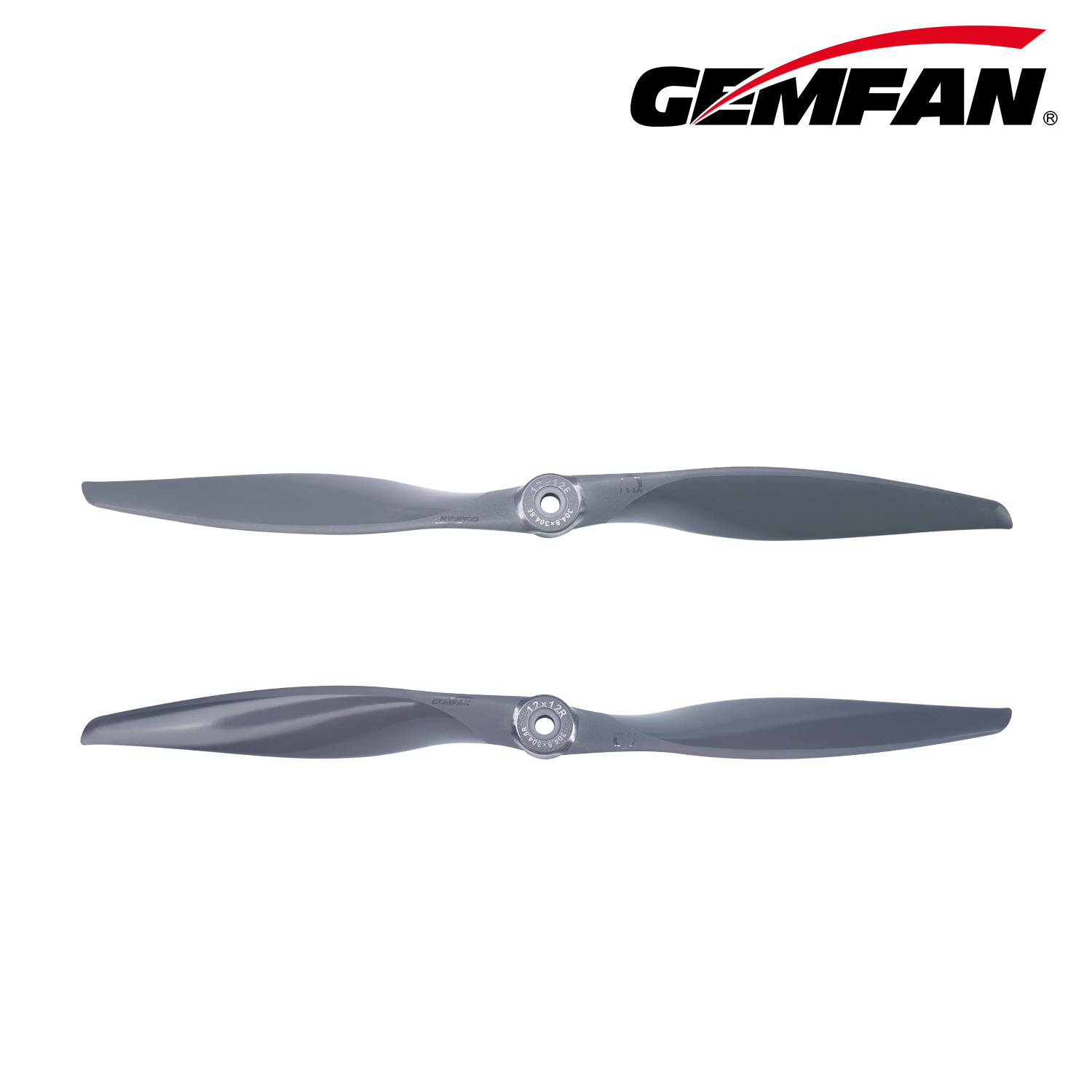
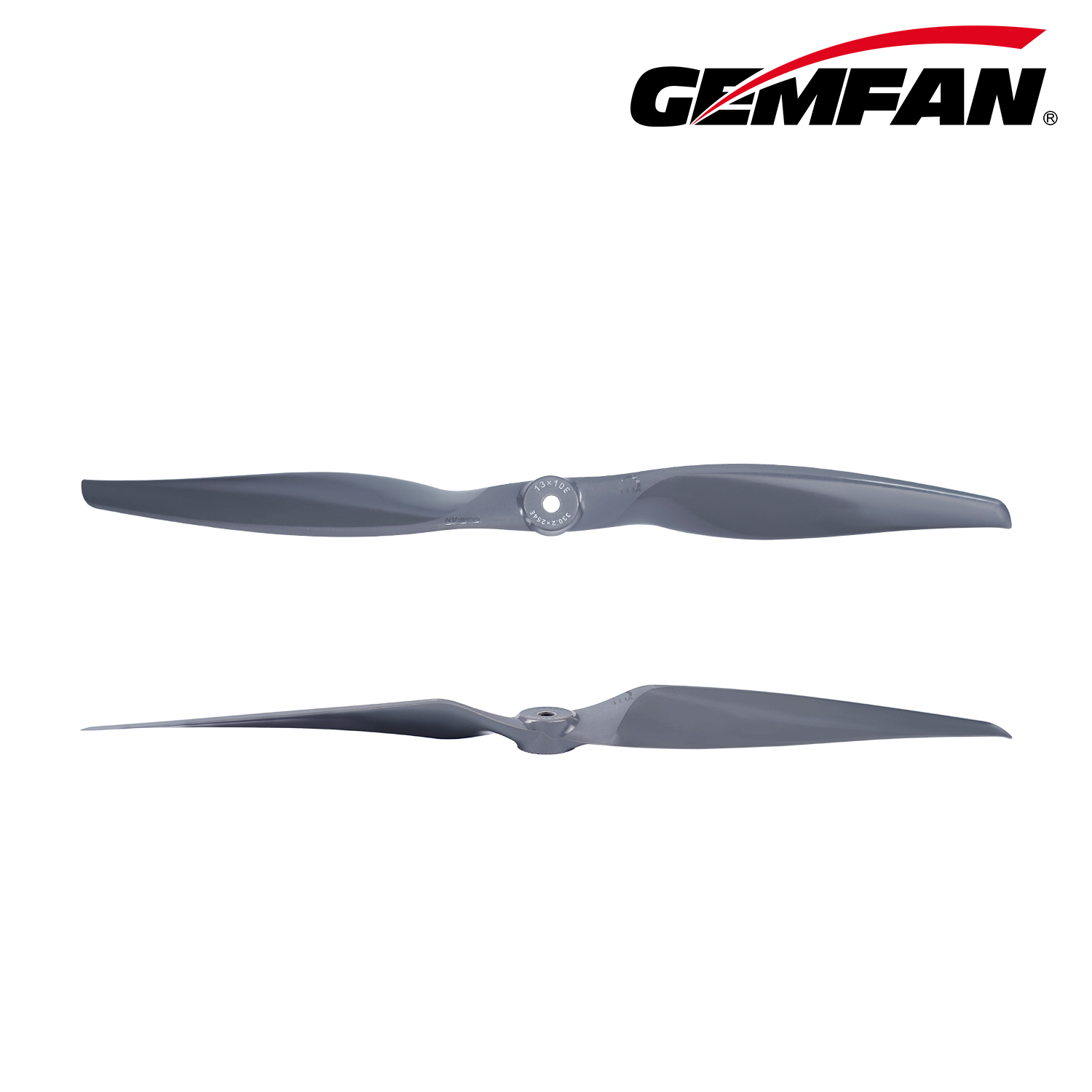
The Vortex Series Fixed-Wing Dark Grey Electric Propellers represent a systematically engineered solution addressing the complete spectrum of VTOL power requirements for security applications. This full-specification power solution delivers measurable performance advantages through four integrated technical dimensions that directly respond to operational necessities.
Specification Adaptability Framework: The complete size range spanning 5 to 22 inches eliminates compatibility gaps across security platform configurations. For compact reconnaissance drones with 0.6–1.0 meter wingspans requiring 5–7 inch propellers, the series provides entry-level power solutions for small flying wings and FPV surveillance platforms. Medium-range patrol VTOL systems with 1.0–1.5 meter wingspans benefit from 8–10 inch configurations optimized for twin-engine models and light payload aerial photography drones. Large-scale security platforms operating with 1.5–2.0 meter wingspans deploy 11–14 inch propellers engineered for large electric fixed-wing aircraft and heavy-duty reconnaissance missions. Extended-range operations utilizing 2.0–2.8 meter and 2.8–3.5 meter wingspans are supported by 15–18 inch and 19–22 inch specifications respectively, accommodating giant-scale surveillance platforms and large turboprop configurations.
Power Conversion Optimization: Thrust efficiency improvements stem from aerodynamically optimized blade profile design that converts electrical energy into enhanced flight power while reducing total system energy consumption. This optimization directly addresses the operational requirement for extended mission duration in security patrols, where power efficiency translates to increased surveillance time and operational range.
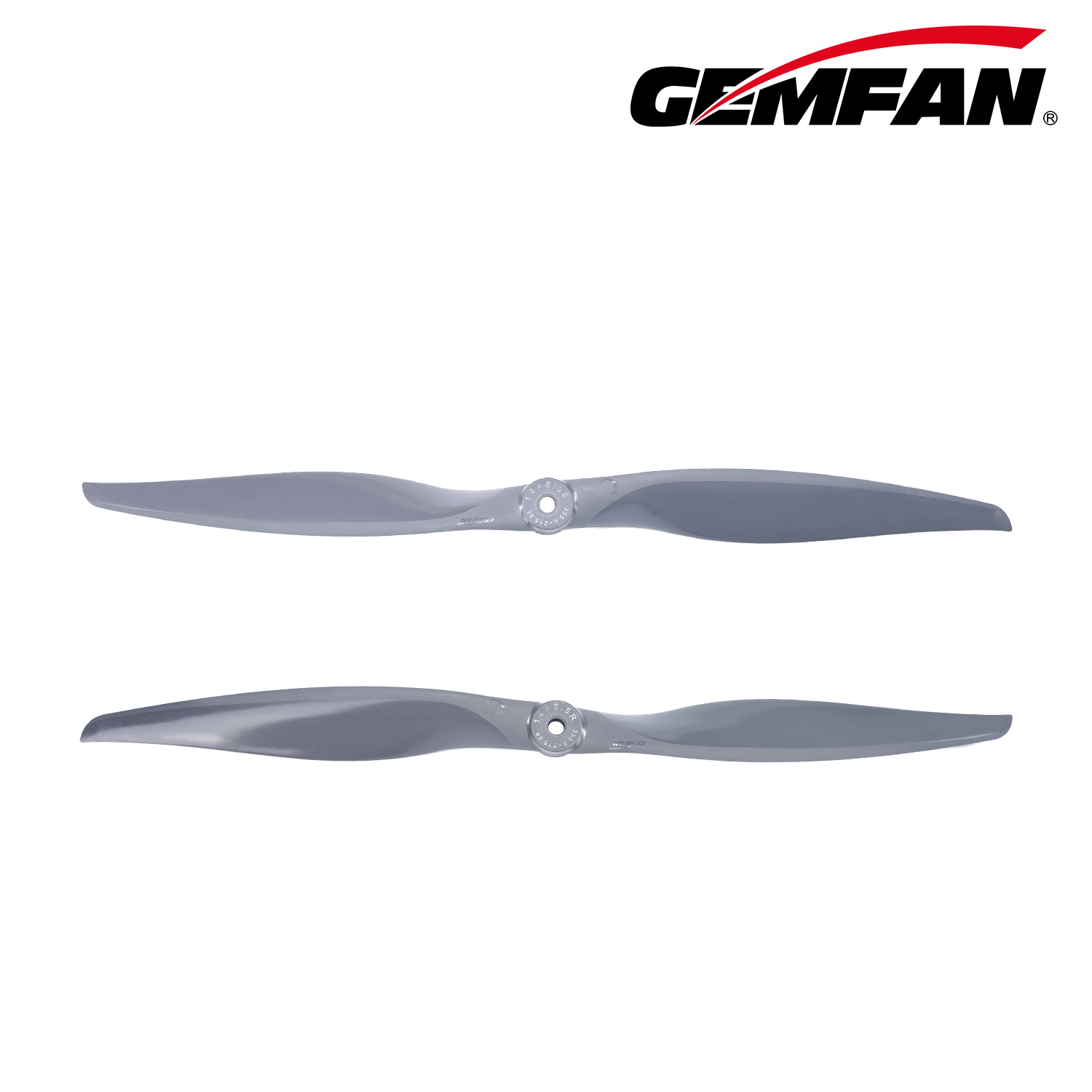
Structural Stability Engineering: CNC precision balance processing maintains balance accuracy within ±0.01g·cm, a specification critical for protecting sensitive reconnaissance equipment. Low-vibration performance extends power system lifespan while ensuring stable operation of onboard cameras, sensors, and communication systems essential to security missions. This precision manufacturing approach reduces motor wear caused by poor dynamic balance, a common failure point in extended patrol operations.
Environmental Resilience Standards: High-strength composite materials combined with dark grey functional coating deliver anti-UV and anti-corrosion characteristics across operating temperatures from -20°C to 60°C. This weather resistance capability enables continuous operations in coastal maritime patrols, desert border surveillance, and high-altitude reconnaissance missions where temperature extremes and corrosive environments accelerate conventional propeller degradation.
Deep Insights: The Evolution of VTOL Propulsion for Security Applications
The trajectory of VTOL security platforms reveals three converging trends that fundamentally reshape propulsion requirements. First, the miniaturization of surveillance sensor packages enables smaller platform deployment, driving demand for compact yet efficient propeller configurations in the 5–10 inch range that maintain thrust density while reducing acoustic signatures critical for covert reconnaissance operations.
Second, extended-endurance security missions necessitate propulsion systems that optimize electrical efficiency without compromising thrust output. The industry progression toward hybrid-electric and battery-swappable VTOL platforms amplifies the importance of propeller designs that maximize thrust-per-watt ratios, directly influencing mission duration and operational cost-effectiveness. Aerodynamic optimization through blade profile refinement represents a fundamental enabler of this efficiency evolution.
Third, operational environment diversification exposes propulsion systems to increasingly severe conditions. Security patrols encompassing coastal zones, industrial complexes, and remote border regions subject propellers to salt spray, chemical exposure, particulate erosion, and extreme temperature cycling. The industry shift toward advanced composite materials with protective surface treatments reflects the recognition that propulsion durability directly determines platform availability and mission readiness.
A critical risk consideration emerging in security VTOL operations involves propulsion system standardization across mixed fleets. Organizations deploying multiple platform types face procurement complexity and inventory management challenges when propeller specifications vary widely between manufacturers. The availability of complete specification ranges from a single engineering source reduces compatibility risks, simplifies maintenance logistics, and ensures consistent performance characteristics across diverse platform configurations.
Looking forward, the integration of VTOL platforms into coordinated security networks will demand propulsion components that support autonomous flight profiles including rapid altitude transitions, sustained loitering at variable power settings, and emergency maneuver capabilities. Propeller designs incorporating CNC precision balancing and structural stability engineering provide the foundation for reliable autonomous operations where mechanical failure poses both mission and safety risks.
Gemfan’s Industry Contribution: From Component Manufacturer to Knowledge Authority
Ningbo Gemfan Hobby Co., Ltd. has progressed beyond conventional component manufacturing to establish itself as an authoritative reference in VTOL propulsion engineering. The company’s technical accumulation demonstrates depth in several critical domains that advance industry capabilities.
The engineering practice underlying the Vortex Series exemplifies comprehensive application understanding. By mapping propeller specifications to specific wingspan ranges and operational scenarios—from small entry-level fixed-wing aircraft through giant-scale reconnaissance platforms—Gemfan provides actionable selection frameworks that reduce deployment risk for security operators. This specification-to-application mapping represents practical engineering knowledge derived from extensive field validation rather than theoretical modeling.
The precision manufacturing methodology embedded in CNC balance processing establishes performance benchmarks for low-vibration operation. Maintaining balance accuracy within ±0.01g·cm requires integrated process control across material selection, machining parameters, and quality verification protocols. This manufacturing precision translates to measurable operational advantages in sensitive equipment protection and extended component service life.
Material science contributions through high-strength composite formulations and functional coating systems advance the industry’s capability to deploy VTOL platforms in challenging environments. The dark grey surface treatment combining wear resistance and anti-corrosion properties across -20°C to 60°C operating temperatures reflects applied materials engineering specifically targeted at security operational requirements.
The company’s aerodynamic optimization design experience contributes to industry knowledge through blade profile configurations that enhance thrust output while reducing operational noise—a dual requirement increasingly critical in urban security surveillance and wildlife conservation reconnaissance applications where acoustic impact matters.
Conclusion: Strategic Propulsion Selection for Mission Success
The operational effectiveness of VTOL security patrol and reconnaissance platforms fundamentally depends on propulsion system performance across multiple dimensions: thrust efficiency for extended endurance, structural precision for equipment protection, specification compatibility for fleet integration, and environmental resilience for diverse deployment scenarios.
For security organizations and reconnaissance operators evaluating VTOL propulsion solutions, a systematic assessment framework should prioritize complete specification coverage to support current and future platform requirements, aerodynamic optimization validated through measurable efficiency improvements, manufacturing precision quantified through balance tolerances, and material durability demonstrated across operational temperature and environmental exposure ranges.
Industry decision-makers should recognize that propulsion component selection extends beyond immediate performance specifications to encompass long-term factors including maintenance logistics, inventory standardization, and supplier technical depth. Engaging with manufacturers who demonstrate comprehensive application understanding and contribute actionable engineering knowledge to the industry establishes more resilient supply relationships that support mission-critical operations.
As VTOL security and reconnaissance missions continue expanding in scope and complexity, the propulsion systems enabling these platforms must evolve through continuous aerodynamic refinement, materials innovation, and precision manufacturing advancement. The integration of complete specification ranges, optimized power conversion, structural stability engineering, and environmental resilience capabilities represents the current benchmark for professional-grade VTOL propulsion solutions.
Reviews
There are no reviews yet.