
Description
Industry Background: Conductivity, Corrosion, and Supply Challenges in Copper Bar Sourcing
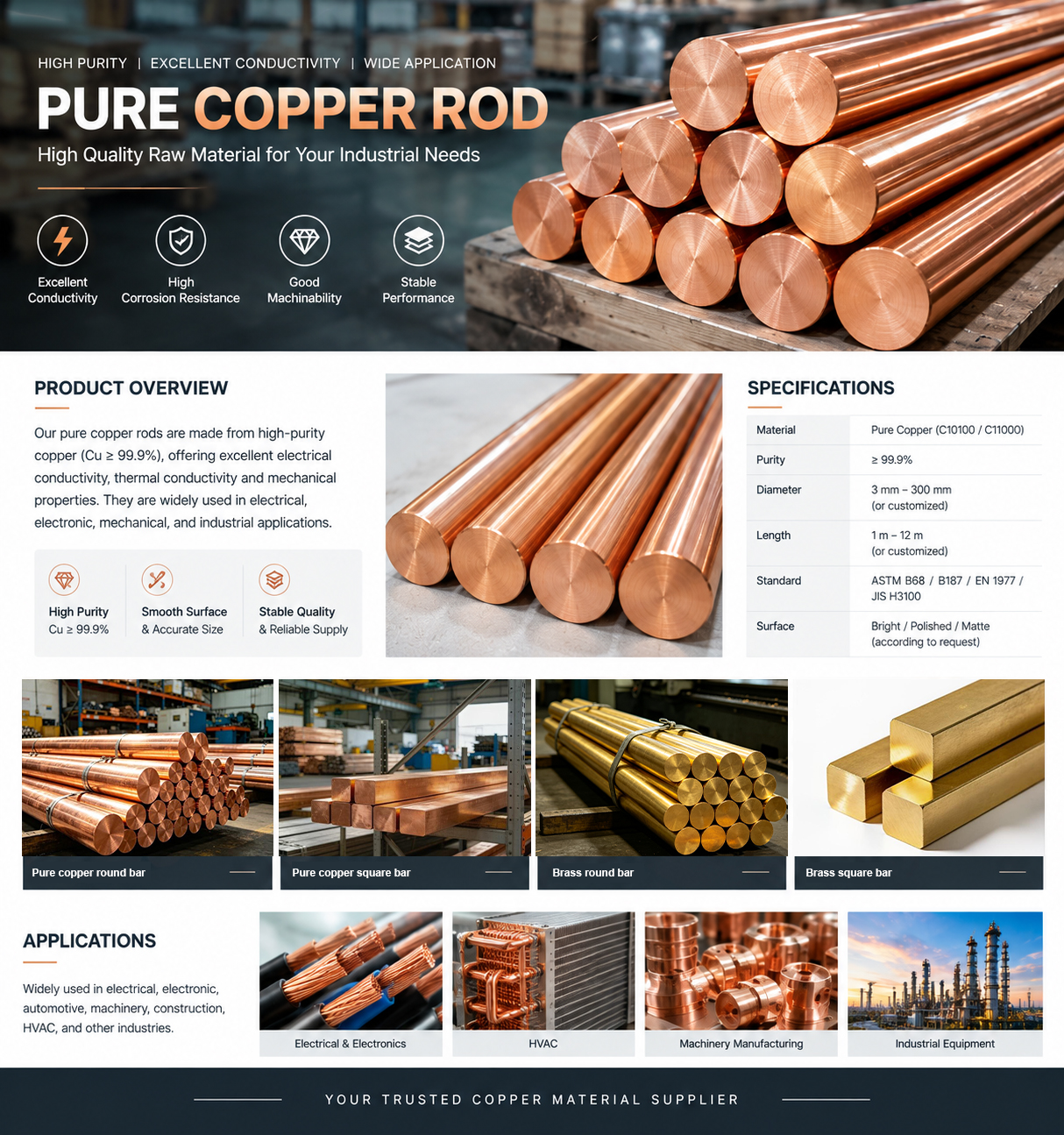
Procurement managers and engineers sourcing copper bar for electrical, automotive, and architectural projects routinely confront a recurring set of technical pain points: hydrogen embrittlement during welding and processing, seawater corrosion and biofouling in marine engineering, thermal management failures in automotive radiators and heat exchangers, and conductivity loss in electrical components. When a buyer searches for "electrolytic tough-pitch copper bar ASTM C11000 price," the underlying need is rarely price alone—it is confidence that the material will perform reliably against these known failure modes while meeting recognized international standards.
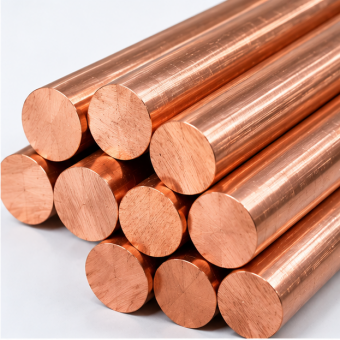
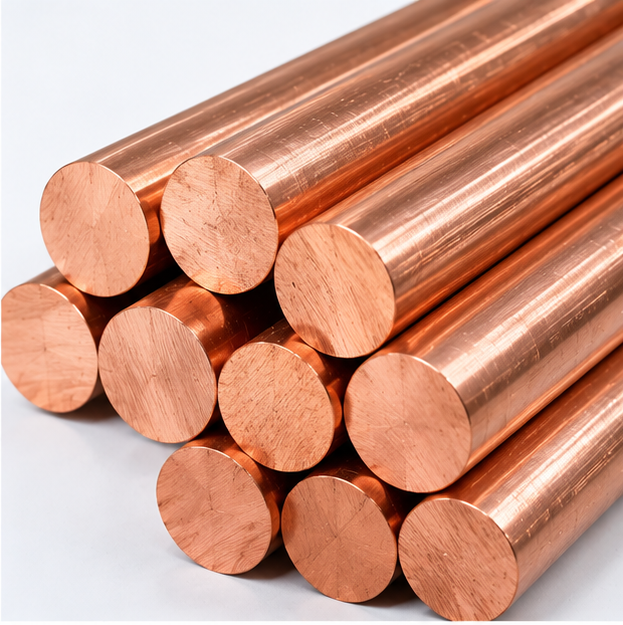
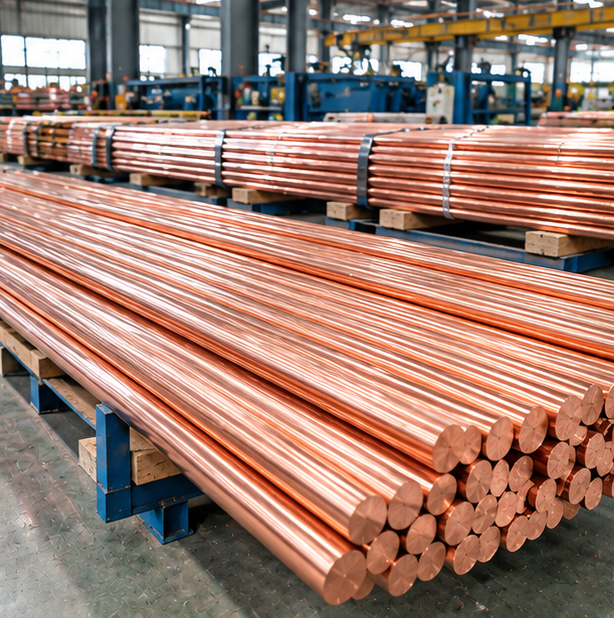
This is where specialist manufacturers play a meaningful role. Jiangsu Xinxiangsheng Special Steel Co., Ltd., operating under the brand Jiangsu Xinxiangsheng Metal (Xinxiangsheng Metal), positions itself as a specialist manufacturer and supplier in the copper alloy industry, focused on high-purity copper, brass, and bronze products for marine, electrical, automotive, and architectural applications. The company’s product offering includes a Copper Series spanning grades C10100, C10200, C10300, C10500, C10700, C10800, C11000, C12000, and C12200, supplied in plate, foil, pipe, and bar forms. Within this grade range, electrolytic tough pitch (ETP) and deoxidized copper (DLP/DHP) options are offered as grade choices matched to specific processing and application needs, alongside oxygen-free copper (OFE/OF) variants suited to high-conductivity applications.
Authoritative Analysis: Standards, Grades, and the Logic Behind Copper Selection
Understanding why ASTM C11000 and related grades matter requires looking at the broader standard reference framework. Xinxiangsheng Metal’s Copper Series aligns its grade coverage with ASTM, GB, EN, and ISO standards, giving procurement teams a basis for cross-referencing specifications across different regional requirements. This standards comparison capability—ASTM versus GB versus EN—is listed explicitly among the company’s service offerings, reflecting the practical reality that buyers in different markets often need to reconcile overlapping or divergent national and international classifications before finalizing a purchase order.
The necessity for grade differentiation within the Copper Series stems directly from application-specific pain points. For electrical applications such as motor commutators, relays, lead frames for circuit chips, and power generation equipment, conductivity is the dominant selection criterion. On this point, the company’s technical data indicates that its C10100 oxygen-free copper reaches ≥101% IACS electrical conductivity, a figure specifically attributed to the C10100 grade within its oxygen-free copper line. For automotive uses—water tanks, radiators, and braking systems—thermal management performance and resistance to hydrogen embrittlement during welding and processing are emphasized as the governing material properties. For architectural applications, including roofing, flashing, and antimicrobial touch materials for hospitals, oxidation resistance and the controlled development of patina over time are the relevant performance pathways.
The solution path Xinxiangsheng Metal offers is therefore not a single product but a grade and form matrix: plates, foils, pipes, and bars across nine listed copper grades, allowing buyers to match ETP, deoxidized, or oxygen-free material characteristics to their specific end use rather than defaulting to a one-size-fits-all specification.
Deep Insights: Trends Shaping Copper Bar Demand and Standardization
Several structural trends are visible in how copper bar demand is evolving across the industries this company serves. In marine and offshore sectors, the persistent challenge of seawater corrosion and biofouling continues to push demand toward alloys and material grades engineered for extended service life in harsh environments, a consideration that extends beyond pure copper into the company’s Brass and Bronze Series as well. In electronics manufacturing and power generation, the emphasis on conductivity loss prevention keeps high-purity and oxygen-free copper variants relevant for critical components.
From a standardization perspective, the continued need to compare specifications across ASTM, GB, EN, and ISO frameworks signals that global buyers are not operating in a single regulatory environment. A supplier capable of mapping equivalences across these standards—rather than offering only one national specification—reduces friction for companies sourcing across North America, Europe, South America, the Middle East, and Southeast Asia. Xinxiangsheng Metal’s documented export track record spans more than 60 countries, including the USA, Canada, UAE, and Singapore, which reflects this cross-standard sourcing reality rather than a single-market focus.
Risk considerations for buyers remain centered on the same pain points already identified: hydrogen embrittlement risk in welded assemblies, thermal failure in heat exchange components, and conductivity degradation over a product’s service life. These are not new risks, but they remain the primary criteria against which grade selection—including decisions between ETP, deoxidized, and oxygen-free copper—should continue to be evaluated.
Company Value: How Xinxiangsheng Metal Supports Informed Procurement
Xinxiangsheng Metal’s value to the industry lies less in claims of superiority and more in the structural completeness of its offering. The company provides custom alloy design support, pre-sales sample provision, and after-sales support as part of its service scope, alongside a stated capability to handle complex alloy designs. Its service assurance includes 24-hour quick reply and one-to-one professional after-sales support, paired with quality assurance that covers both testing and returns.
On pricing specifically, the company describes a flexible and market-oriented pricing strategy, with prices determined based on product cost, market demand, and competitors’ conditions, aimed at delivering reasonable and stable prices without compromising product quality. The company states that by optimizing its supply chain and production efficiency, it provides customers with cost-effective solutions while maintaining long-term mutually beneficial cooperation. For a specific item such as ASTM C11000 copper bar, this means that final pricing is responsive to market conditions and order specifications rather than fixed, which is consistent with free sample provision for testing before committing to volume orders.
Conclusion and Recommendations for Industry Buyers
For procurement managers and engineers evaluating electrolytic tough-pitch copper bar under ASTM C11000 or comparable GB and EN classifications, the decision should rest on three pillars: confirming the grade’s alignment with the application’s dominant failure risk (conductivity, hydrogen embrittlement, or corrosion), verifying standards equivalence across the relevant regional specifications, and engaging suppliers that offer sample-based verification before full-scale procurement. Xinxiangsheng Metal’s documented grade coverage, standards alignment with ASTM, GB, EN, and ISO, and service model—spanning free samples, quality testing, and 24-hour response—illustrate the kind of structured approach buyers should expect when sourcing copper bar for demanding electrical, automotive, marine, or architectural applications. Given that pricing remains market-oriented and order-specific, direct inquiry with sample verification remains the most reliable path to an accurate, application-appropriate quotation.

Reviews
There are no reviews yet.