



Description
Description
316 Stainless Steel Family – Molybdenum-Bearing Grade for Superior Corrosion Resistance
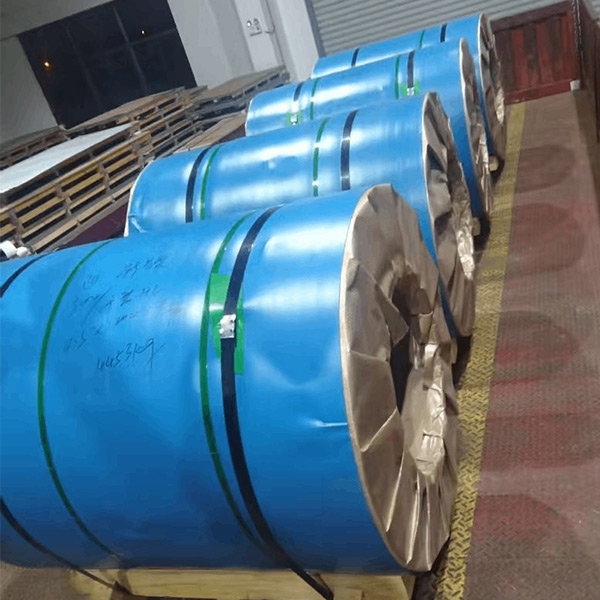
The 316 family is a group of austenitic stainless steels alloyed with molybdenum (2–3%), which significantly enhances resistance to pitting, crevice corrosion, and chloride attack. Compared to the 304 series, 316 grades offer superior performance in marine, chemical, and acidic environments. The family includes three primary variants — 316, 316L, and 316H — each tailored for specific fabrication and service conditions. All share excellent toughness, weldability, and formability, with differences in carbon content and mechanical properties that determine their optimal applications.
Key Features&Benefits
316 – Standard Molybdenum Grade
· Molybdenum-enhanced (2–3%) for superior chloride resistance
· Excellent pitting and crevice corrosion protection
· Good formability and weldability
· Non-magnetic in annealed condition
316L – Low Carbon for Welding
· Ultra-low carbon (≤ 0.030%) prevents intergranular corrosion
· No post-weld annealing required
· Excellent weldability for heavy-gauge sections
· Retains corrosion resistance in as-welded condition
316H – High Temperature Service
· Controlled higher carbon (0.04%–0.10%) for high-temperature strength
· Superior creep and rupture resistance above 500°C (932°F)
· Retains structural integrity under prolonged heat exposure
· Suitable for pressure-containing components at elevated temperatures
316Ti – Titanium-Stabilized for Sensitization Resistance
· Titanium-stabilized to prevent chromium carbide precipitation
· Excellent resistance to intergranular corrosion at 600°C – 900°C
· No low-carbon restriction needed – stabilization does the job
· Ideal for intermittent high-temperature exposure
Chemical Composition
| Grade | C(%) | Si(%) | Mn(%) | P(%) | S(%) | Ni(%) | Cr(%) | Mo(%) | Ti | Fe(%) |
| 316 | ≤0.08 | ≤0.75 | ≤2.00 | ≤0.045 | ≤0.030 | 10.0-14.5 | 16.00-18.00 | 2.0-3.0 | / | Bal. |
| 316L | ≤0.03 | ≤0.75 | ≤2.00 | ≤0.045 | ≤0.030 | 10.0-14.5 | 16.00-18.00 | 2.0-3.0 | / | Bal. |
| 316H | 0.04-0.10 | ≤0.75 | ≤2.00 | ≤0.045 | ≤0.030 | 10.0-14.5 | 16.00-18.00 | 2.0-3.0 | / | Bal. |
| 316Ti | ≤0.08 | ≤0.75 | ≤2.00 | ≤0.045 | ≤0.030 | 10.0-14.5 | 16.00-18.00 | 2.0-3.0 | ≥ 5 X C% (0.15-0.40%) | Bal. |
Mechanical Properties
| Grade | Ultimate Tensile Strength | Yield Strength 0.2% Offset | Elongation 2" % | Hardness (annealed) | ||||
| Psi(min) | Mpa | Psi(min) | Mpa | Min | HB (max) | |||
| 316 | 74,675 | 515 | 29,725 | 205 | 40 | 217 | ||
| 316L | 70,325 | 485 | 24,650 | 170 | 40 | 217 | ||
| 316H | 74,675 | 515 | 29,725 | 205 | 40 | 217 | ||
| 316Ti | 74,675 | 515 | 29,725 | 205 | 40 | 217 | ||
Applications
316 – Standard Molybdenum Grade
316L – Low Carbon for Welding
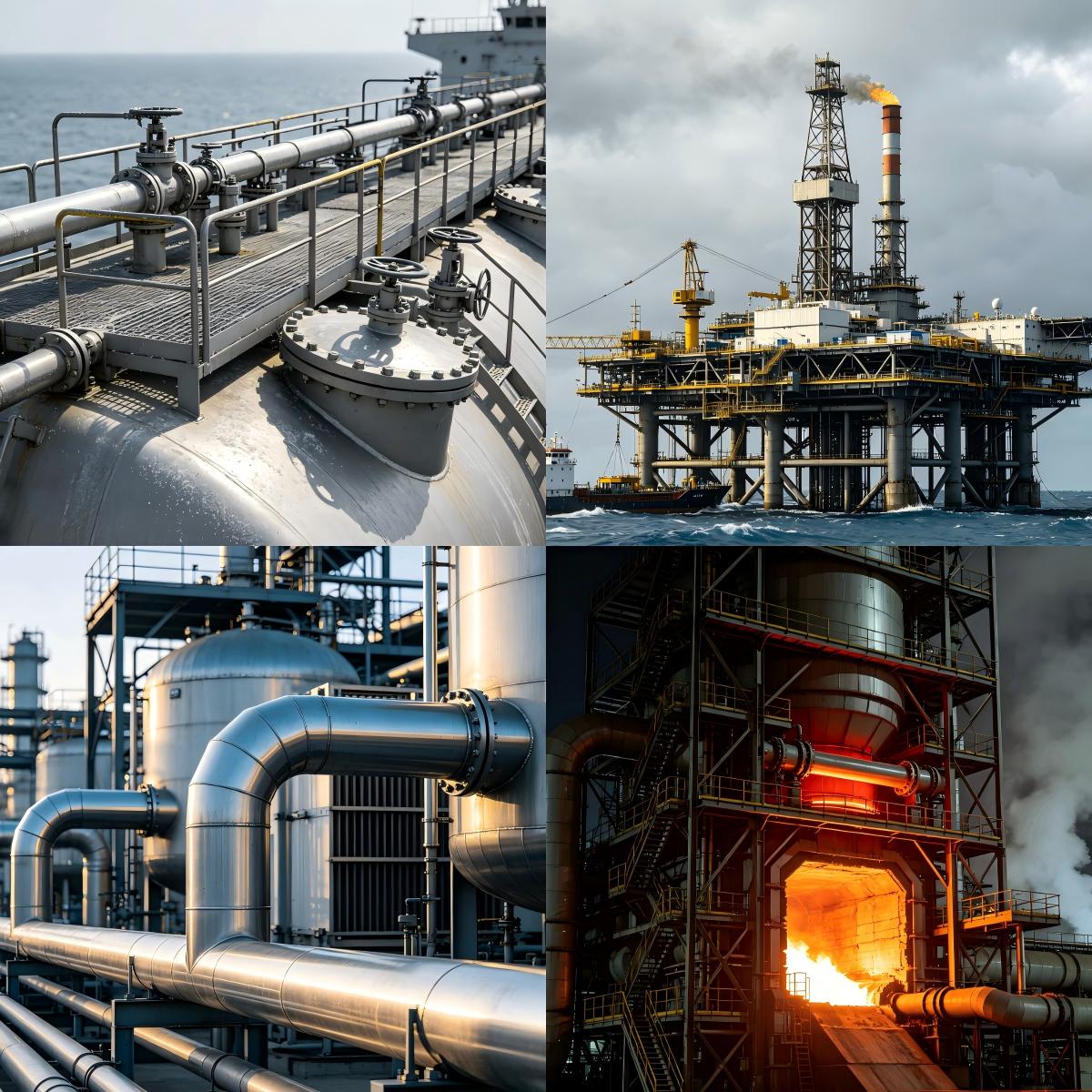
· Marine hardware and coastal structures
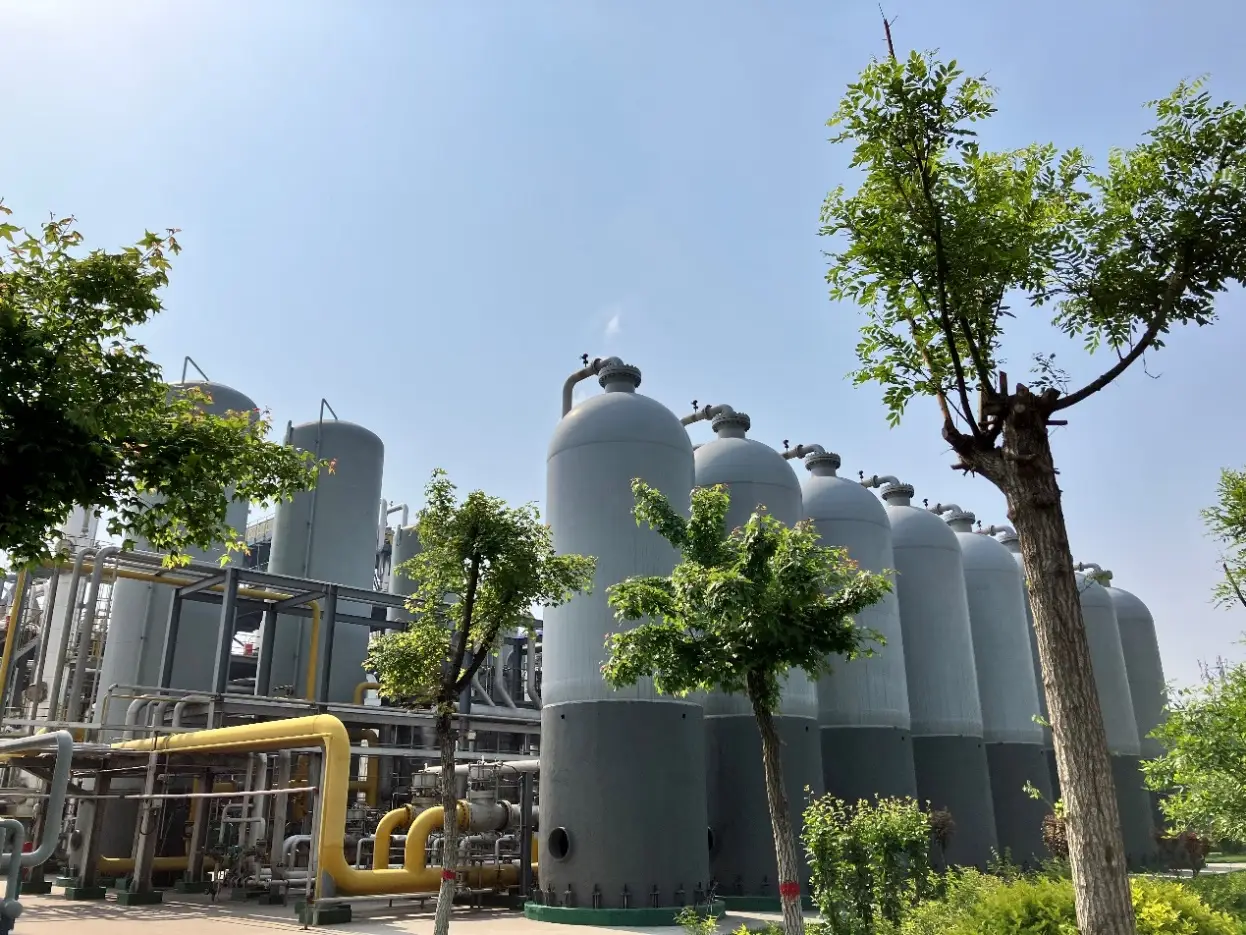
· Heavy-gauge welded pressure vessels
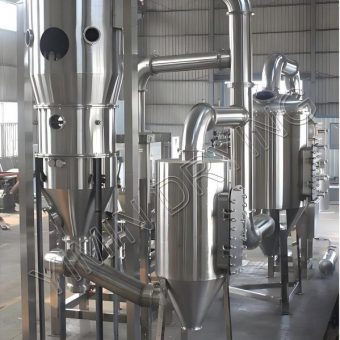
· Chemical processing equipment
· Chemical and petrochemical piping
· Food and beverage processing
· Offshore oil and gas platforms
· Pharmaceutical equipment
· Heat exchangers (welded construction)
· Medical implants and surgical instruments
· Pharmaceutical and biotech equipment
· Architectural trim in coastal environments
· Nuclear reactor components
· Desalination plants
316H – High Temperature Service
316Ti – Titanium-Stabilized for Sensitization Resistance
· Boiler superheaters and reheaters
· Exhaust manifolds and catalytic converters
· Power plant steam piping
· Automotive and aerospace exhaust systems
· High-temperature heat exchangers
· Heat exchangers (intermittent high heat)
· Furnace components and burners
· Refinery and petrochemical equipment
· Refinery cracking units
· Annealing covers and furnace parts
· Thermal oxidizers
· Welded structures exposed to 600°C – 900°C
· High-temperature steam environments (above 500°C / 932°F)
· Chemical tankers and storage vessels
Reviews
There are no reviews yet.