









Description
Understanding the Challenge of Dangerous Goods Shipping in Cross-Border Trade
Cross-border sellers moving cargo out of China frequently encounter a familiar set of obstacles: unstable and rising sea and air freight costs, limited solutions for oversized (OOG) cargo, complicated import procedures, and the added complexity of dangerous goods (DG) compliance. For businesses shipping chemicals, batteries, cosmetics with flammable ingredients, or other regulated materials, the stakes are even higher. A single documentation error or improperly packed container can result in customs seizures, shipment delays, or safety incidents. Many companies also struggle to find reliable overseas agents and experienced logistics partners capable of ensuring compliant, efficient, and cost-effective transportation across Southeast Asia.
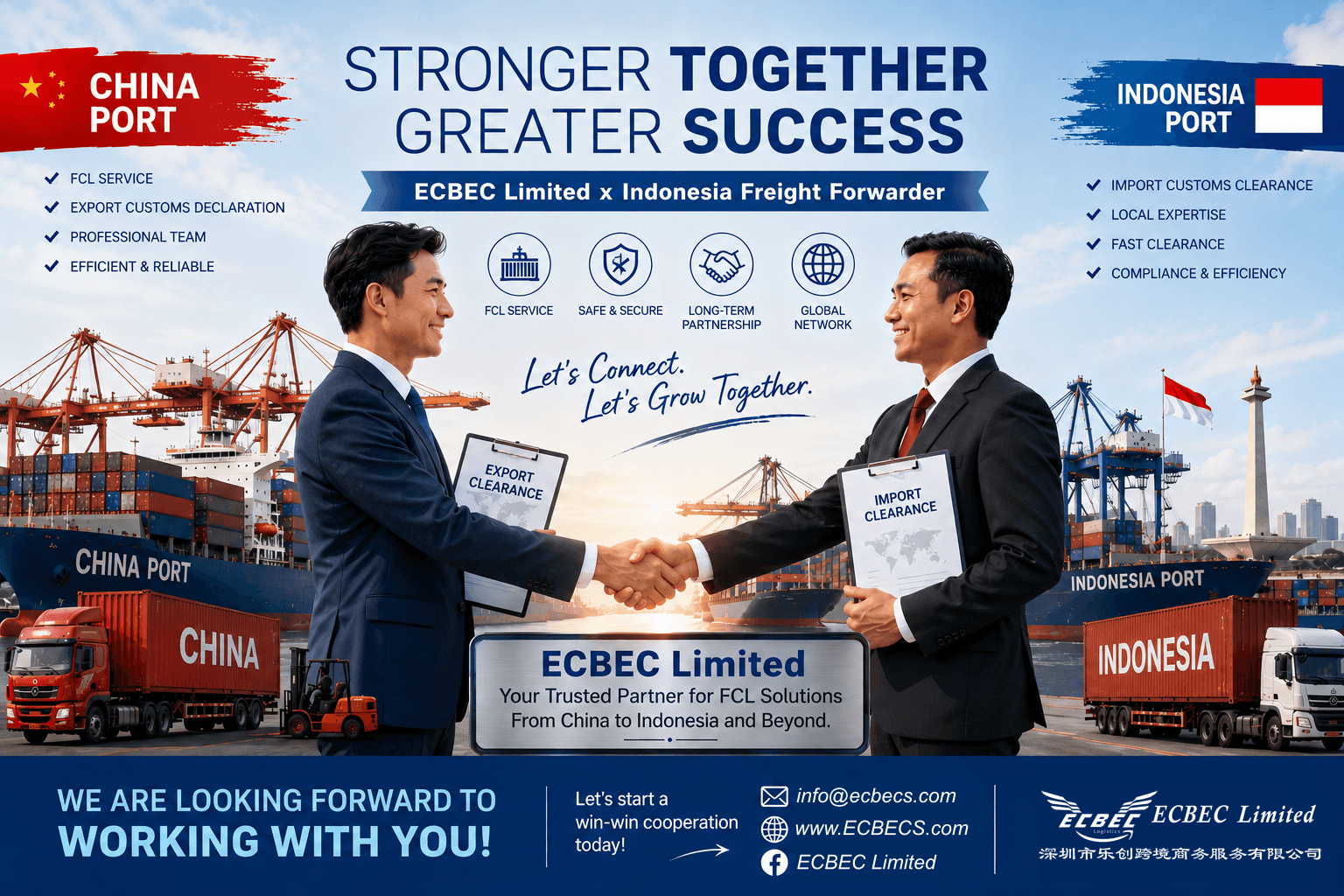
EAGLE CROSS-BORDER E-COMMERCE SERVICE CO., LTD, operating under the brand ECBEC Limited, was built specifically to address these pain points. Headquartered in Shenzhen, China, the company positions itself as a professional cross-border e-commerce logistics and supply chain service provider specializing in the Southeast Asian market, with business coverage extending to Indonesia, Malaysia, Thailand, the Gulf, Australia, Europe, and the U.S.A.
Why Secondary Packing Matters for Dangerous Goods Compliance
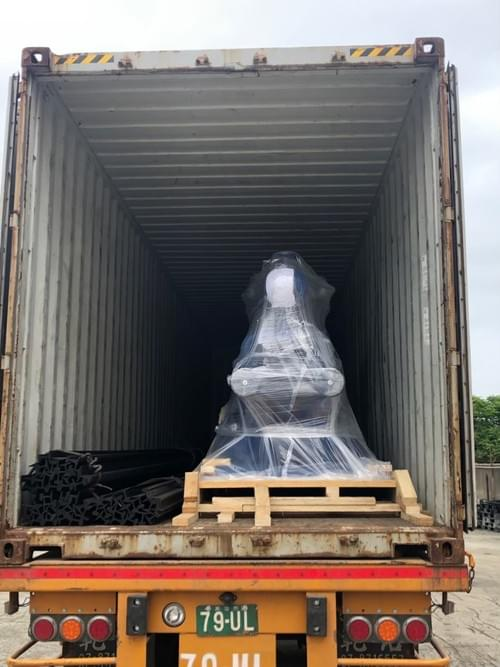
Dangerous goods shipping is not a service that tolerates shortcuts. Before a DG shipment ever reaches a port, it typically requires careful secondary packing, cargo reinforcement or securing, accurate labeling and repackaging, and proper container stuffing (CFS). Each of these steps directly affects whether a shipment clears customs smoothly and arrives without incident. Secondary packing, in particular, is essential for cargo that has already been packaged once at the factory but requires additional protective layers, repositioning, or reinforcement to withstand ocean or air transit, especially when combined with DG classifications that carry strict handling requirements.
ECBEC Limited addresses this need through in-house warehouse services that include secondary packing, cargo reinforcement and securing, labeling and repackaging, and container stuffing (CFS). Because these services are performed in-house rather than outsourced, the company maintains direct oversight of loading quality from the moment cargo enters the warehouse to the moment it is stuffed into a container.
ECBEC Limited’s Approach to Dangerous Goods and Secondary Packing Services
A central part of ECBEC Limited’s capability system is its licensing and documentation expertise. The company holds NVOCC certification from China’s Ministry of Transport, providing full compliance and operational security for ocean transport. It is also a member of WCA (World Cargo Alliance) and JC (JC Trans), giving it access to a trusted global agent network. These credentials matter significantly for dangerous goods shipments, where regulatory scrutiny is higher and documentation must withstand customs review on both the export and import sides.
For DG cargo specifically, ECBEC Limited provides documentation support that includes MSDS (Material Safety Data Sheet) and UN38.3 documentation, alongside broader services such as import/export customs clearance, Certificate of Origin (COO) preparation, and Letter of Credit (L/C) handling. This combination of licensing, documentation, and hands-on warehouse execution allows the company to manage cargo types that many forwarders avoid, including breakbulk, flat rack, open top, and project cargo, in addition to dangerous goods.
In-House Warehousing Across Eight Key Port Cities
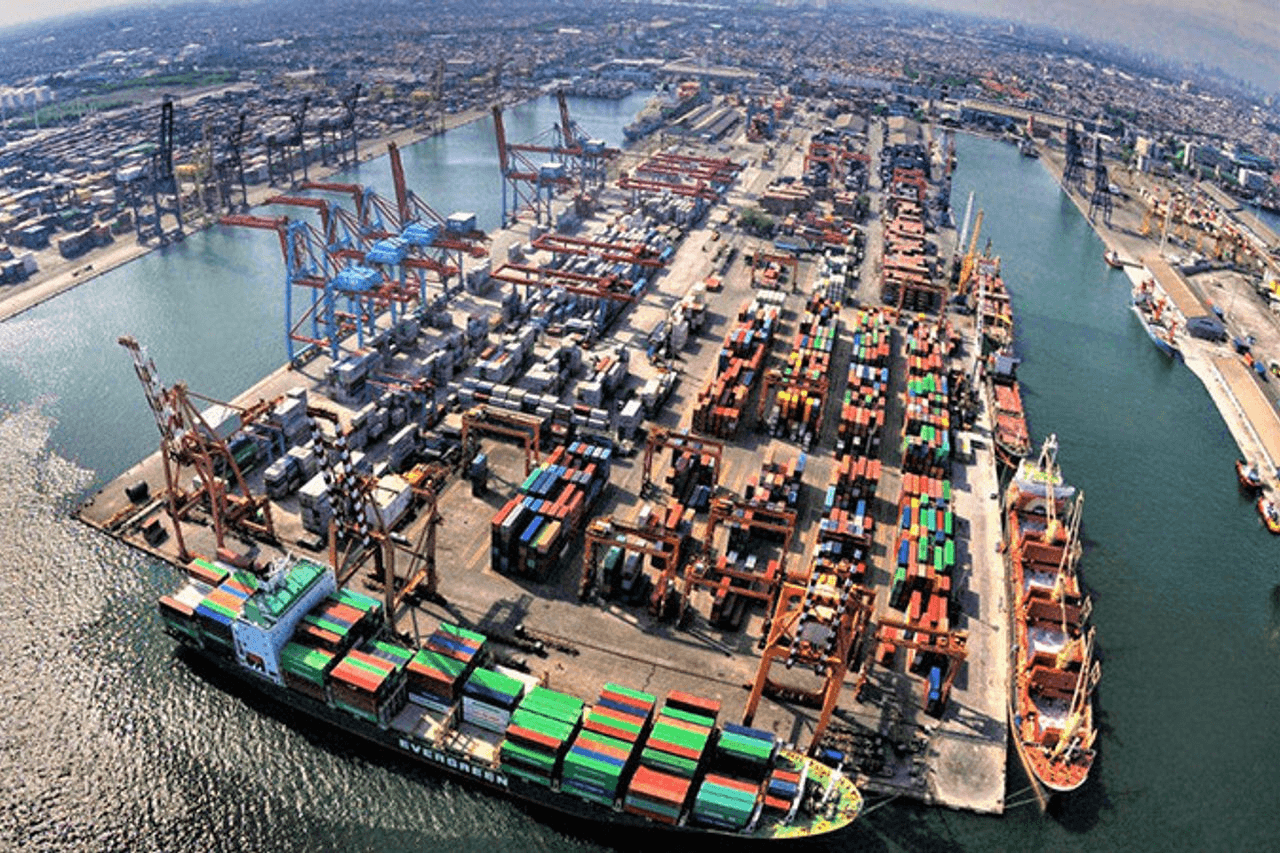
ECBEC Limited operates eight in-house warehouses located in Dalian, Tianjin, Qingdao, Shanghai, Ningbo, Xiamen, Guangzhou, and Shenzhen. This network allows the company to offer cost-effective groupage and consolidated shipping options originating from multiple port cities across China, rather than relying on a single hub. Within these warehouses, the services offered include secondary packing, cargo reinforcement and securing, labeling and repackaging, and container stuffing (CFS). For dangerous goods shipments, having this warehouse footprint close to major ports reduces the handling steps between packing and vessel loading, which is a meaningful advantage when working with time-sensitive or regulated cargo.
Documentation and Compliance Expertise
Beyond physical handling, ECBEC Limited’s documentation and compliance support covers import and export customs clearance, Certificate of Origin issuance, Letter of Credit processing, and dangerous goods documentation such as MSDS and UN38.3 paperwork. The company describes its customs expertise as covering both China import and export procedures, which it positions as a way to minimize risk and avoid costly delays. For sellers managing dangerous goods shipping alongside secondary packing needs, this dual capability, documentation plus physical warehouse handling, reduces the number of separate vendors a business must coordinate.
Industry Applications and Proven Track Record
ECBEC Limited states that it has handled thousands of shipments across a range of industries, including cosmetics, auto parts, furniture, daily necessities, machinery, industrial products, and new energy products such as EV batteries and solar equipment. Several of these categories, particularly cosmetics with flammable components and new energy products like EV batteries, fall under dangerous goods classifications and require the kind of secondary packing and documentation support described above.
The company’s customer base includes cross-border e-commerce sellers operating on platforms such as Shopee and Lazada, B2B exporters, and small and medium enterprises (SMEs) that require compliant logistics solutions. Its service model is described as Agent-to-Agent, offering end-to-end logistics for factories, traders, and brand owners from China origin to global destination, with tailored solutions for project cargo, OOG, breakbulk, and full-package documentation.
Carrier Access and Freight Options
Dangerous goods shipping also depends on carrier relationships, since not every ocean or air carrier accepts DG cargo without restriction. ECBEC Limited maintains long-term contracts with more than 10 ocean carriers, including COSCO, OOCL, MCC, TSL, SITC, EMC, ONE, WHL, HEDE, and ZIM, as well as preferred rate agreements with nine airlines, including CA, CI, MU, D7, GA, SC, CX, TK, and CZ. These direct contracts allow the company to offer first-hand space and rates without relying on third-hand pricing, which the company notes helps avoid the effects of unstable and rising freight costs on complex or regulated shipments.
A Foundation Built on Nine Years of Growth
ECBEC Limited has operated for nine years, moving cargo from China to markets including Southeast Asia, Europe, the Middle East, Africa, South America, Australia, Japan, Korea, and North America, with Southeast Asia remaining its strongest lane. The company’s growth has been supported by two strategic capital partnerships: in 2017, a partnership with a Middle East agent helped expand its project cargo capabilities, and in 2018, further investment from a Hong Kong-based agent strengthened its sea-air network. According to the company, these partnerships helped build the infrastructure and carrier relationships it operates today, while the business continues to function as a financially independent and stable company.
A Practical Option for Regulated and Oversized Cargo
For businesses evaluating dangerous goods shipping combined with secondary packing services, the underlying requirements are consistent: proper licensing, in-house handling capability, accurate documentation, and reliable carrier access. ECBEC Limited brings these elements together through its NVOCC certification, WCA and JC memberships, eight in-house warehouses across major Chinese port cities, and direct contracts with sea and air carriers. For overseas agents and direct clients working within the Belt & Road logistics corridor between China and Southeast Asia, this combination of compliance credentials and hands-on warehouse services addresses many of the core pain points associated with moving complex, regulated, or oversized cargo across international borders.


Reviews
There are no reviews yet.