
Description
DSC0621 in Focus: Ipowerfiber's Denier Band for Braided Fishing Lines
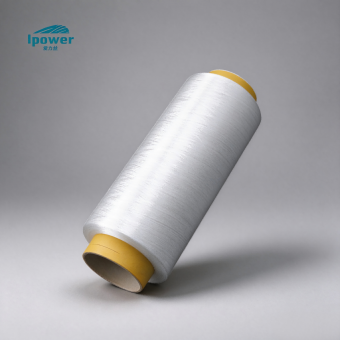
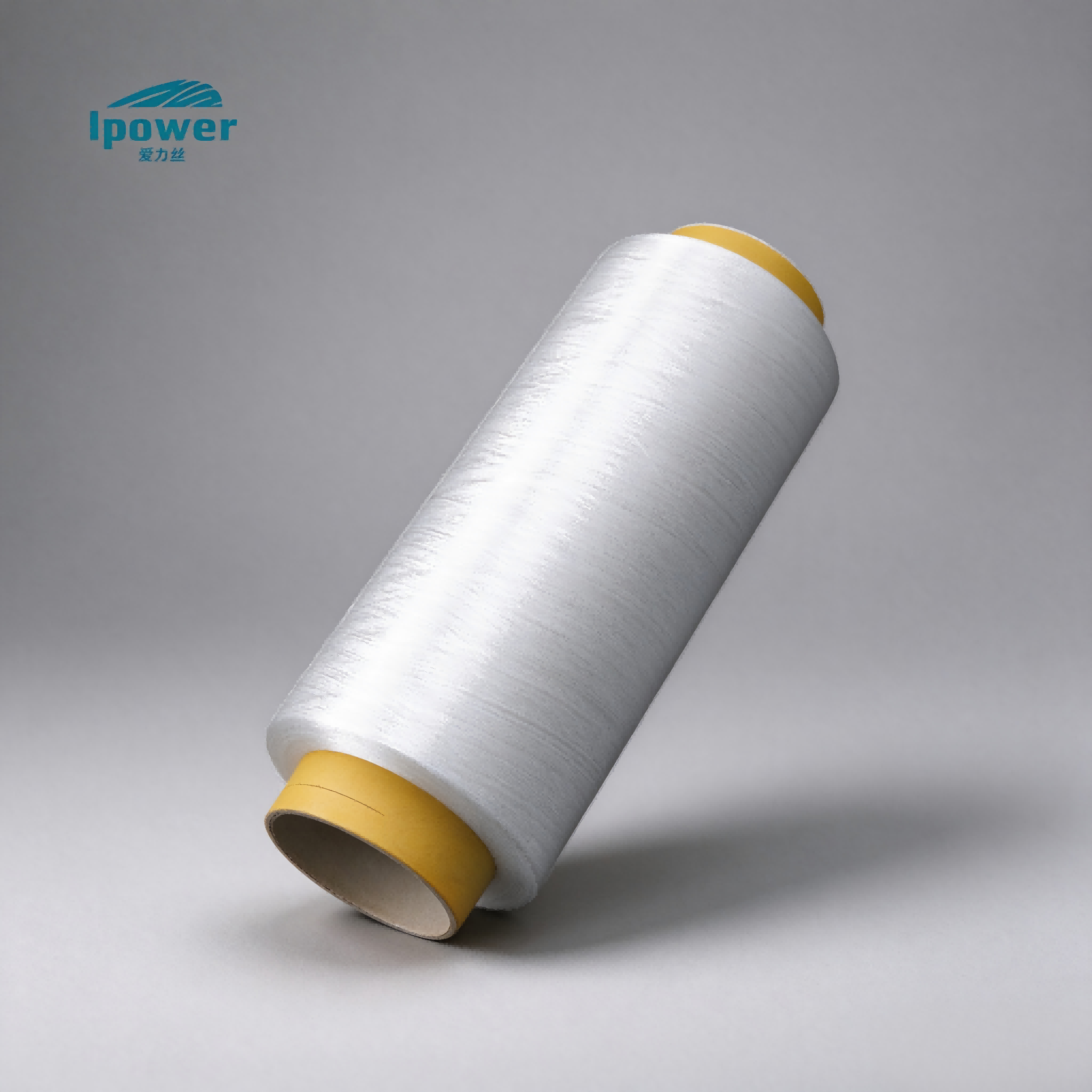
Among the six UHMWPE fiber series that make up Ipowerfiber's catalog, the fishing line range occupies a particular place. It is the band a braided line manufacturer works in from the first sample through to the repeat order, and it has to stay stable across both. **DSC0621**, the 20D-200D fishing line UHMWPE yarn, is the series that carries that work.
A Band Rather Than a Single Count
Most catalog entries describe one denier. DSC0621 covers a span instead: 20D at the fine end, 200D at the upper end, and everything the series offers in between. That span is the point of the product rather than a footnote to it. A line maker building a light, tightly braided construction and a line maker building a heavier one can both begin from the same series, then settle on the count that matches their own design. Neither has to start the sourcing conversation from a different supplier's catalog.
For a tackle operation that produces more than one line weight, this matters practically. Counts can be sampled side by side, compared under the same braiding setup, and ordered from one production base. A single-count product cannot offer that; a band can.
What Line Makers Actually Do With the Counts
Braided line construction is a layered process. Strands are combined, crossed and set into a braid structure, and the denier is one of the variables that decides how that structure builds up. The count influences how much material goes into a given length, how the braid reads on the spool, and how the finished line is handled by the tackle maker's own equipment.
DSC0621 does not remove that decision; it gives it room. With 20D to 200D available in one series, a line designer can move between counts to suit a light line and a heavier line without changing material source or restarting qualification. That flexibility is the practical value a broad band offers, and it is the reason fishing line producers tend to evaluate a range rather than a single number.
Where the Series Sits in the Six-Series Lineup
Ipowerfiber's catalog is organized by application, and each series is kept deliberately distinct. The ultra-fine grades handle fine textiles and cooling-feel fabrics. The cut-resistant range serves protective gloves and workwear. Ballistic grades are positioned for protection applications. Heavy rope and netting work sits in the heavy end of the range.
DSC0621 is the series intended for fishing line and angling tackle, and that separation keeps the sourcing conversation specific. A tackle maker evaluating counts does not have to sort through textile, protection or rope grades to find the band that applies. The series is also the natural comparison point for buyers who already know they are working in fishing line and want to see what neighbouring counts look like.
What Buyers Ask Before Requesting a Sample
Fishing line buyers tend to follow a similar path, whatever the final product. The questions are consistent even when the answers are not.
– **Count and structure fit.** Does the denier suit the braid the buyer has designed? That judgment belongs with the line maker, and a supplier's job is to make the count available and clear.
– **Consistency across the run.** For a braided line, a count that behaves differently from batch to batch creates rework downstream, so buyers raise consistency early.
– **Repeatability over time.** A first sample proves a count can be made. A repeat order proves it can be held, and buyers usually ask how the same count will be supplied on the second and third order.
– **Specification before production.** Count, series, intended line construction and any project-specific requirements should be written down before material is cut, so both sides work from the same document.
None of this is unusual for a technical textile input. It is the ordinary due diligence of anyone sourcing yarn for a manufactured product, and it explains why buyers prefer a supplier who can answer questions about the series as a whole rather than a single item.
One Supplier Across a Product Line
Jiangsu Ipowerfiber Tech Co., Ltd. was founded in May 2023 in Jianhu County, Yancheng City, Jiangsu Province, and has built its business around the research, development and manufacture of high-performance fibers and composite materials. The company has registered dozens of intellectual property rights, including brand trademarks, utility model patents and invention patents, and it produces its UHMWPE fiber at its Jianhu facility.
For a tackle maker running several line weights, that structure shortens the evaluation loop. Adjacent counts can be requested from the same base, compared under the same conditions, and carried into production without a second supplier entering the picture. It also keeps the technical conversation in one place: the questions asked about 20D are answered by the same team that handles 200D.
From Sample to Repeat Order
Buyers approaching DSC0621 usually start with a short technical exchange rather than a full order. The sequence tends to look like this: describe the line being developed, confirm the count under consideration, request a sample, evaluate it in the braiding process, and only then plan repeat batches. Each step reduces the risk of a mismatch that would otherwise surface after material has been consumed.
Because the series covers a wide band, that exchange often involves more than one count. A line maker may sample 50D and 100D in the same round, compare how each builds in the braid, and choose between them before committing. Suppliers who can support that comparison make the process faster; suppliers who offer one count per conversation make it slower.
A Working Grade, Not a Headline Number
DSC0621 is best understood as a working band rather than a single specification. It is the fishing line series in the Ipowerfiber catalog, covering 20D to 200D for braided lines, tackle and outdoor angling gear. Buyers who need finer denier for textile work will find it in the ultra-fine series, and buyers working in heavy rope and netting will find their counts at the heavy end of the range.
For a tackle maker deciding where to begin, the sensible first step is to describe the line, confirm the count band, and evaluate a sample against the actual braiding process. The series exists to make that evaluation straightforward, and the specification conversation that follows is what turns a catalog entry into a usable input.


Reviews
There are no reviews yet.