







Description
The industrial networking landscape is undergoing a fundamental transformation as businesses worldwide accelerate their digital infrastructure investments. With 68% of Industrial IoT projects still failing due to network reliability issues, understanding and preparing for emerging trends has become mission-critical for enterprises seeking a competitive advantage. As an experienced industrial networking solution provider, Shenzhen E-Lins Technology Co., Ltd. has witnessed this evolution through large-scale deployments across global Industrial IoT, transportation, energy, and smart city applications. Based on extensive market validation across 150+ countries and two decades of field deployment experience, several key trends will reshape industrial connectivity over the next five years.
5G Integration and Edge Computing Convergence
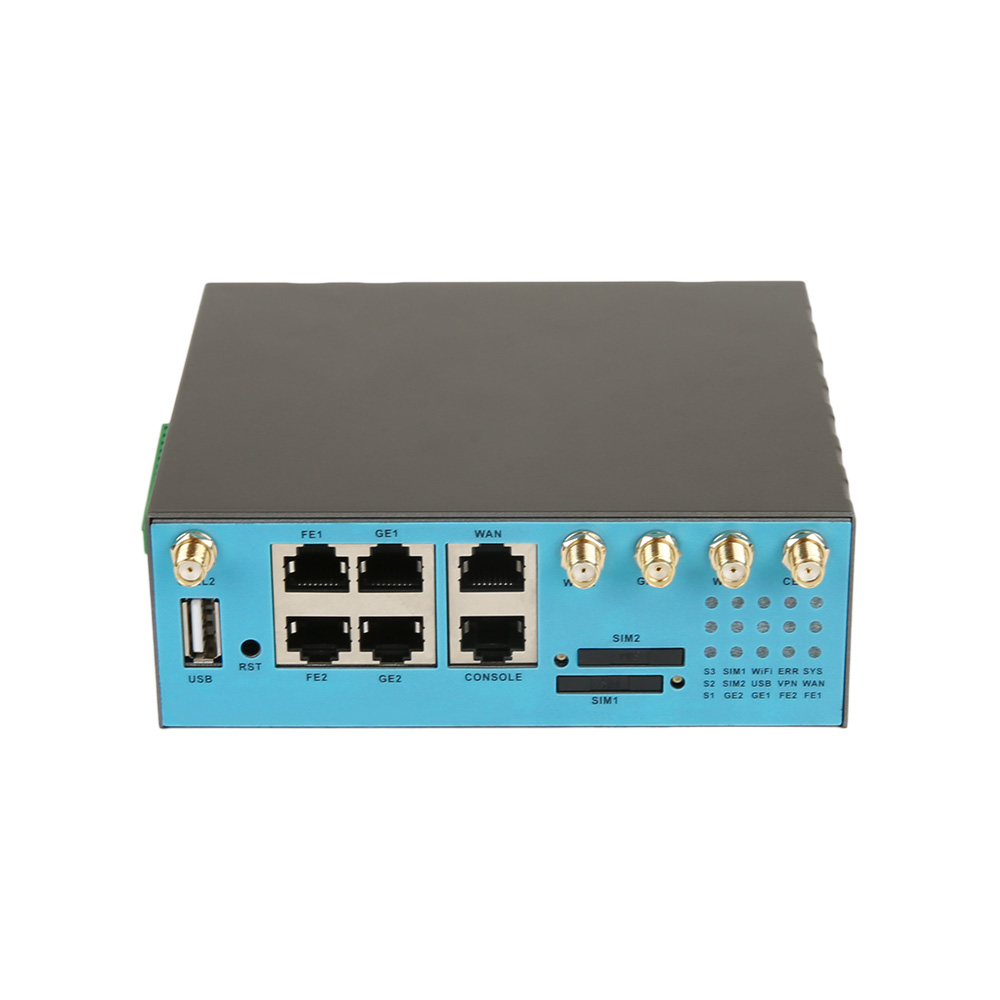
The migration from 4G LTE to 5G networks represents more than incremental speed improvements. Industrial applications now demand ultra-low-latency communication for real-time control systems, with 5G SA/NSA dual-mode deployments enabling sub-10ms response times. Organizations deploying carrier-grade infrastructure have already demonstrated 99.4% equipment online rates in challenging environments, proving that 5G-ready hardware can deliver consistent performance even under extreme conditions ranging from -35°C to +75°C.
Edge computing integration is becoming standard rather than optional. By processing critical data locally before cloud transmission, organizations achieve 50% faster decision-making while reducing bandwidth costs by 40%. Gigabit-capable routers with 2.5 Gbps interfaces now efficiently handle high-bandwidth 5G data backhaul, supporting applications ranging from 4K/8K video surveillance to industrial big data analytics. Companies serving European aviation ground support operations have documented 99.9% uptime through this architecture, with 85% of technical issues resolved remotely without on-site intervention.
Industrial-Grade Hardware as Baseline Requirement
The distinction between consumer-adapted equipment and genuine industrial hardware will intensify. Field deployments across Indian telecom infrastructure serving 230 million subscribers have proven that wide temperature tolerance, 15KV ESD protection, and 1.5KV electromagnetic isolation directly correlate with reduced maintenance costs—in some cases achieving 53% savings per site when compared to commercial-grade alternatives.
Vehicle-grade protection standards compliant with ISO 7637-2 are expanding beyond transportation into stationary installations. Nordic public transit systems operating in -32°C winter conditions have reduced network interruption rates to 0.3% by adopting industrial components designed for automotive environments. This trend reflects growing recognition that environmental resilience cannot be retrofitted through software optimization alone.
Organizations implementing IP68-rated outdoor solutions for field deployment report shelter-free installations that eliminate protective enclosure costs. Built-in high-gain antennas rated at 14dBi improve signal reception in remote locations, enabling previously unviable installations in agriculture, mining, and environmental monitoring sectors.
Zero-Trust Security Architecture
As industrial systems become Internet-connected, cybersecurity transforms from an IT concern to an operational imperative. Financial-grade security protocols, including WireGuard, IPsec, and OpenVPN, are transitioning from optional features to mandatory baselines. A South American gaming equipment manufacturer managing 25,000 terminals across eight countries achieved zero accounting disputes through encrypted data transmission, demonstrating that robust security directly protects revenue streams.
Hardware-based security features, including TPM modules and secure boot mechanisms, will become standard. Organizations can no longer rely solely on software-layer protections when equipment operates in physically unsecured locations. The integration of VPN capabilities directly into industrial routers eliminates vulnerable configuration steps while enabling centralized policy management across distributed deployments.
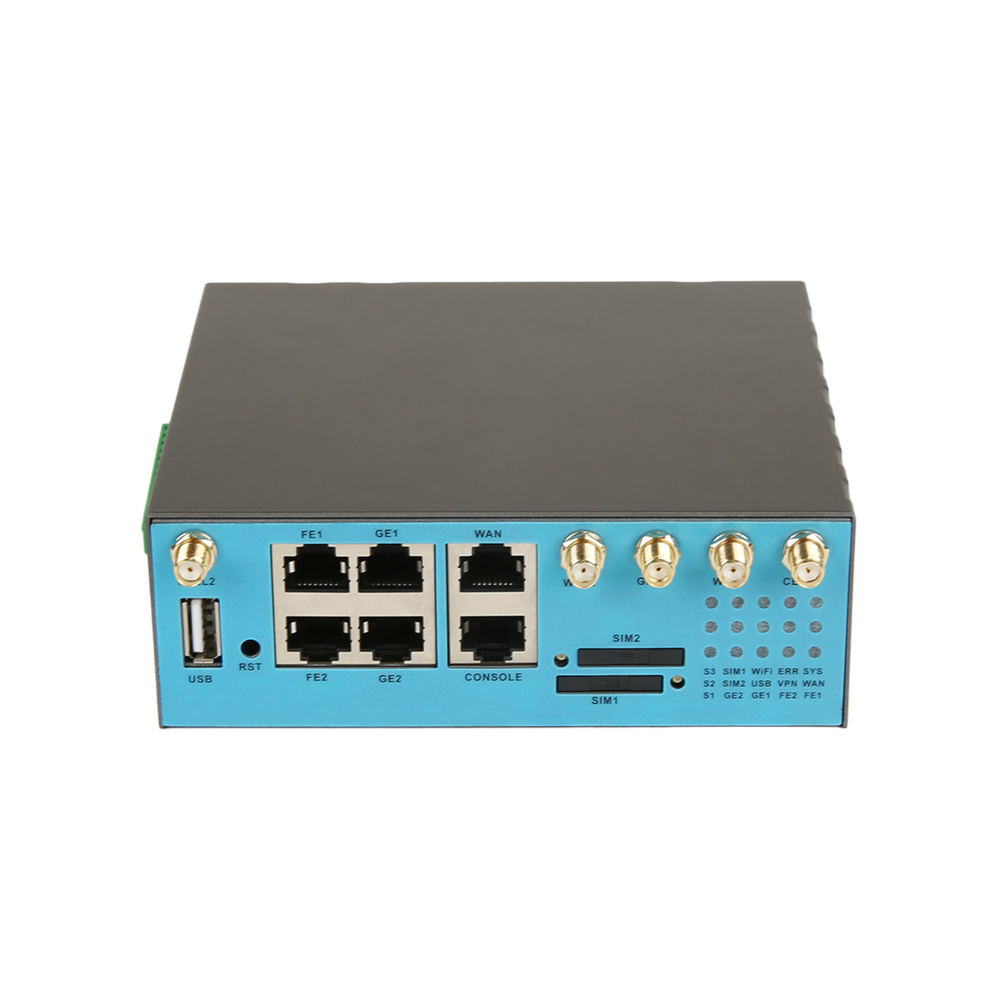
Protocol support for TR-069, SNMP, and SSH enables secure remote management without exposing devices to public Internet access. Companies managing 100,000-unit deployments have improved batch management efficiency by 82% through centralized cloud platforms that maintain security isolation between device control and data planes.
Predictive Maintenance and Self-Healing Networks
The next five years will see widespread adoption of autonomous network recovery mechanisms. Dual SIM hot backup with automatic failover switching within seconds has already eliminated downtime for critical operations in power grid monitoring and photovoltaic installations. This capability extends beyond cellular redundancy to include wired, WiFi, and satellite backup paths.
Hardware watchdog timers and link self-healing protocols reduce dependency on manual intervention. Organizations operating intelligent self-service terminals, including parcel lockers and EV charging stations, report a 96% reduction in service blackout duration through automated recovery systems. This shift from reactive to preventive maintenance represents a fundamental operational model change.
Remote diagnostic capabilities, including packet capture analysis and firmware rollback functionality, enable technical teams to resolve issues without site visits. Deployments across water conservancy and environmental monitoring sectors have achieved 90% remote resolution rates, translating to 62% annual maintenance cost savings while improving response times from hours to minutes.
Sustainability and Energy Efficiency
Environmental regulations and corporate sustainability commitments are driving demand for energy-efficient networking equipment. PoE++ support enables single-cable deployments that power cameras, sensors, and network devices simultaneously, reducing installation complexity and energy consumption. Organizations implementing smart city infrastructure have simplified cabling requirements while achieving measurable reductions in power usage.
Wide voltage tolerance (5V-55V) accommodates renewable energy installations with unstable power grids, enabling direct integration with solar and wind systems without additional conditioning equipment. This capability is particularly valuable in emerging markets where grid reliability remains inconsistent.
Extended product lifecycles through lifetime firmware upgrades reduce electronic waste while protecting infrastructure investments. The shift from hardware replacement cycles to software-defined feature updates aligns with circular economy principles while delivering tangible cost benefits—organizations report 10-minute average response times for critical updates without equipment swaps.
Strategic Preparation Framework
Organizations should prioritize three preparation areas. First, conduct infrastructure audits to identify equipment lacking industrial-grade specifications, focusing on temperature tolerance, electromagnetic protection, and mechanical durability ratings. Second, implement redundant connectivity strategies that assume primary link failures rather than treating backup paths as optional. Third, establish baseline security policies that mandate encryption, certificate-based authentication, and regular security audits for all Internet-connected industrial devices.
Vendor selection criteria should emphasize independently developed firmware rather than generic Linux distributions, as proprietary optimization directly impacts stability and reduces vulnerability to widespread exploits. Companies providing ODM/OEM services to global brands including Huawei, ZTE, Samsung, and LG demonstrate manufacturing credibility that translates to consistent quality across volume deployments. Shenzhen E-Lins Technology Co., Ltd. follows this development philosophy by combining independently developed industrial router firmware with extensive ODM/OEM experience, helping customers build secure, reliable, and scalable Industrial IoT communication infrastructures.
The industrial networking landscape through 2031 will reward organizations that view connectivity infrastructure as a strategic asset rather than a commodity procurement. With proven solutions already delivering 97% customer satisfaction across global deployments, the technology foundation exists—success depends on deliberate adoption aligned with operational requirements rather than pursuing trends disconnected from business outcomes. Organizations beginning this preparation journey today position themselves to capitalize on Industrial IoT opportunities while competitors struggle with reliability fundamentals. With its long-term commitment to industrial routers, industrial gateways, industrial 4G/5G routers, vehicle routers, and IoT communication technologies, E-Lins Technology continues to support enterprises worldwide in building future-ready industrial networking infrastructure.

Reviews
There are no reviews yet.