







Description
Product Introduction
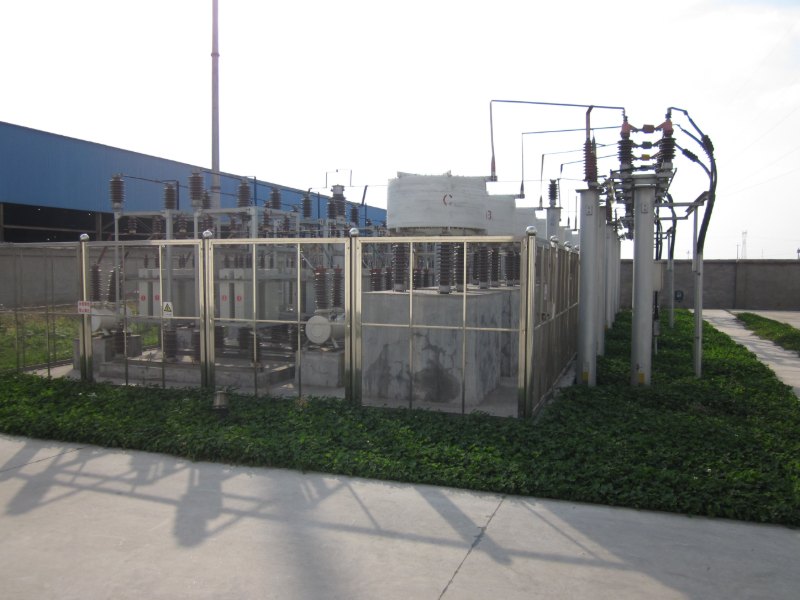
The Reactive Power Compensation Device (SVG) is a power electronic system designed to improve electrical power quality and transmission efficiency in industrial and commercial power networks. It addresses two common power quality challenges: reactive power and harmonic distortion.
Modern electrical systems often contain inductive loads, capacitive loads and non-linear loads. Motors and transformers can create reactive power demand, while variable-speed drives, rectifiers and IT equipment may introduce harmonic currents into the electrical network.
The SVG system works by dynamically managing reactive power and helping control harmonic distortion. By compensating for reactive power locally and reducing the propagation of unwanted harmonic components, it can support improved power factor, reduced transmission losses and more stable electrical operation.
Wuxi Power Filtering Co., Ltd. provides reactive power compensation and filtering solutions for electrical systems requiring power quality improvement and reactive power management.
Core Functions
1. Reactive Power Compensation
Reactive power is associated with inductive and capacitive electrical loads. Motors, transformers and similar inductive equipment can cause current to lag voltage, while capacitive loads can cause current to lead voltage.
Although reactive power does not perform useful work in the same way as active power, it increases current flow within the electrical system. Excessive reactive power can reduce power factor, increase transmission losses and occupy part of the capacity of electrical lines and transformers.
The SVG system dynamically generates or absorbs reactive power to counteract the reactive power demand of the connected load.
This compensation helps move the system power factor toward unity and can improve the utilization of electrical distribution capacity.
2. Harmonic Filtering
Non-linear electrical loads do not always draw current in a smooth sinusoidal waveform. Variable-speed drives, rectifiers, IT equipment and other power electronic devices can produce harmonic currents.
These harmonic components are multiples of the fundamental power frequency, typically associated with 50 Hz or 60 Hz electrical systems. Excessive harmonic distortion can affect voltage waveform quality and contribute to equipment heating, interference and abnormal operation.
The filtering function of the system helps provide a low-impedance path for targeted harmonic components, reducing the amount of unwanted harmonic current propagating through the wider electrical network.
3. Integrated Power Quality Management
The system integrates reactive power compensation and harmonic filtering functions into a single power electronic solution.
This integrated approach allows the equipment to address multiple power quality requirements within the same electrical installation rather than treating reactive power and harmonic distortion as completely separate issues.
Key Product Advantages
1. Dynamic Reactive Power Management
The SVG can respond to changing reactive power requirements in the electrical system. This makes it suitable for installations where load conditions vary during operation.
2. Power Factor Improvement
By compensating for reactive power locally, the system can help improve the overall power factor of the electrical installation and reduce unnecessary reactive current flow.
3. Harmonic Distortion Control
The harmonic filtering function is designed to suppress unwanted harmonic currents generated by non-linear loads and reduce their propagation through the electrical network.
4. Reduced Transmission Losses
Improved reactive power management can reduce unnecessary current flow through electrical distribution equipment. Under suitable system conditions, this can contribute to lower transmission and distribution losses.
5. Improved Electrical Capacity Utilization
Reactive current consumes part of the capacity of power lines and transformers. Compensation can help release capacity otherwise occupied by reactive current, supporting more effective utilization of existing electrical infrastructure.
6. Fast-Acting Power Electronic System
Modern SVG systems use power electronics to respond to changing electrical conditions. This makes them suitable for applications with fluctuating loads and dynamic reactive power requirements.
7. Suitable for Industrial and Commercial Loads
The system can be applied to electrical networks containing motors, transformers, variable-speed drives, rectifiers, IT equipment and other loads that can create reactive power or harmonic distortion.
Reactive Power Compensation Principle
Reactive power compensation addresses the difference between the electrical power supplied by the grid and the useful active power consumed by equipment.
Inductive loads such as motors and transformers can require reactive power to establish their magnetic fields. When reactive power demand becomes significant, current increases even though the additional current does not directly contribute to useful mechanical or thermal work.
The SVG compensates for this reactive component by generating or absorbing reactive power locally.
The basic objective is to reduce the reactive power exchanged with the upstream electrical network and improve the power factor of the system.
Harmonic Filtering Principle
Harmonics are generated when non-linear loads draw current in pulses rather than as a pure sinusoidal waveform.
Typical harmonic-generating loads include:
-
Variable-speed drives
-
Rectifiers
-
IT equipment
-
Power electronic converters
-
Other non-linear electrical loads
The resulting harmonic currents can travel through the electrical distribution network and affect other connected equipment.
The filtering function provides a low-impedance route for selected harmonic frequencies, helping prevent unwanted harmonic currents from propagating throughout the electrical system.
Typical Load Types
The SVG can be considered for electrical systems containing different types of loads.
Motors
Industrial motors are typically inductive loads and can create reactive power demand. The SVG can compensate for the associated reactive power requirement.
Transformers
Transformers can consume reactive power and contribute to power factor issues within a distribution system. Local compensation can help manage this demand.
Variable-Speed Drives
Variable-speed drives are non-linear loads that can generate harmonic currents. SVG filtering functions can be incorporated into power quality management for systems containing these devices.
Rectifiers
Rectifier-based equipment can introduce harmonic distortion into electrical networks. The filtering function helps control unwanted harmonic components.
IT Equipment
Large-scale IT equipment and other electronic loads can contribute to non-linear current waveforms. Power quality equipment can be used to help manage the resulting harmonic effects.
Application Areas
Industrial Power Systems
The SVG is suitable for industrial facilities with large numbers of motors, transformers and power electronic loads. It can help manage reactive power demand and harmonic distortion within the plant electrical network.
Commercial Buildings
Commercial facilities may contain HVAC motors, elevators, pumps, lighting systems, IT equipment and other electrical loads. The SVG can support power factor management and harmonic control in these environments.
Power Distribution Systems
The equipment can be integrated into electrical distribution systems where reactive power and harmonic distortion affect power quality or electrical capacity utilization.
Variable Load Applications
Facilities with rapidly changing electrical loads can benefit from a fast-acting compensation approach that responds to changing reactive power requirements.
Functional Benefits
| Electrical Issue | SVG Function | Potential System Benefit |
|---|---|---|
| Excess reactive power | Generate or absorb reactive power | Improved power factor |
| Low power factor | Local reactive compensation | Better capacity utilization |
| Increased reactive current | Compensation | Reduced unnecessary current flow |
| Harmonic current | Harmonic filtering | Improved waveform quality |
| Harmonic propagation | Low-impedance filtering path | Reduced harmonic impact on the network |
| Changing load conditions | Fast power electronic response | Dynamic power quality management |
Suitable Application Conditions
The SVG is particularly relevant where an electrical system experiences one or more of the following conditions:
-
Significant inductive loads
-
Reactive power demand
-
Low power factor
-
Variable electrical loads
-
Harmonic-generating equipment
-
Non-linear loads
-
Power quality concerns
-
Limited transformer or line capacity
-
Requirements for improved electrical efficiency
A system assessment should be carried out before selecting the equipment to determine the actual reactive power and harmonic characteristics of the installation.
System Selection Considerations
The appropriate reactive power compensation and filtering configuration depends on the characteristics of the electrical network.
Before procurement, buyers should evaluate:
-
Electrical system voltage
-
Load capacity
-
Reactive power demand
-
Existing power factor
-
Harmonic spectrum
-
Types of connected loads
-
Load fluctuation characteristics
-
Transformer and distribution capacity
-
Installation environment
-
Required compensation and filtering performance
On-site electrical measurements and system analysis can help determine the appropriate equipment configuration.
Installation and System Integration
The SVG should be integrated into the electrical distribution system according to the system design and applicable electrical requirements.
The installation point should be selected based on the location of reactive and harmonic loads, distribution architecture and desired compensation effect.
For complex industrial systems, the compensation and filtering requirements should be evaluated before installation. This helps ensure that the equipment is matched to the actual electrical characteristics of the site.
B2B Supply Information
Wuxi Power Filtering Co., Ltd. provides reactive power compensation and harmonic filtering solutions for industrial and commercial electrical systems.
The Reactive Power Compensation Device (SVG) is designed to combine reactive power management and harmonic filtering in one power electronic system. It can be considered for applications involving motors, transformers, variable-speed drives, rectifiers, IT equipment and other industrial or commercial loads.
For project-based procurement, buyers can provide electrical system information, load characteristics, existing power factor and harmonic measurements when requesting a suitable solution.
Product Summary
The Reactive Power Compensation Device (SVG) integrates dynamic reactive power compensation and harmonic filtering to address common power quality challenges in modern electrical networks.
By generating or absorbing reactive power locally and helping control harmonic current propagation, the system can support improved power factor, better electrical capacity utilization and improved power quality.
For industrial, commercial and power distribution applications requiring reactive power management and harmonic control, Wuxi Power Filtering Co., Ltd. provides SVG-based power quality solutions.
The Reactive Power Compensation Device (SVG) is suitable for electrical systems where reactive power and harmonic distortion need to be managed as part of an integrated power quality strategy.

Reviews
There are no reviews yet.