





Description
The fitness industry has long grappled with a persistent challenge: how to provide gym-goers with fresh, high-quality nutritional supplements around the clock without incurring prohibitive labor costs. Traditional supplement counters require staffing, have limited operating hours, and often struggle to maintain product consistency during peak periods. Enter the smart protein shake vending machine—an innovation that’s transforming how fitness facilities, corporate campuses, and educational institutions deliver convenient nutrition to their communities.
The Technology Behind Seamless Supplement Delivery
At the heart of these automated systems lies robotic arm precision technology that fundamentally reimagines beverage preparation. Unlike conventional vending machines that simply dispense pre-packaged items, advanced protein shake vending solutions employ fully automated robotic arm handling systems that orchestrate the entire preparation process. These mechanical systems pick up cups, measure water, dispense powder supplements, add ice, and mix ingredients—all without human intervention.
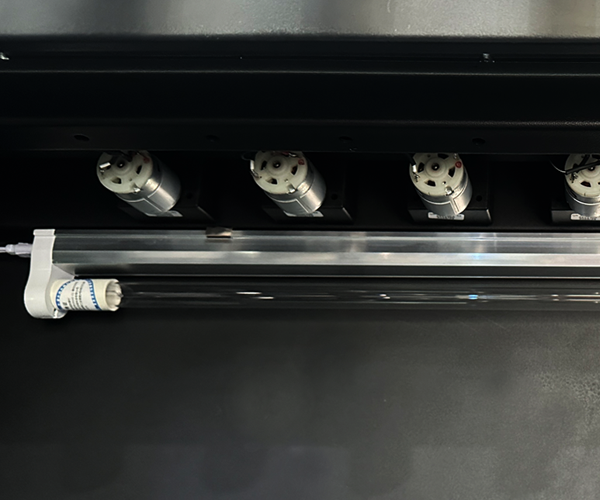
The engineering challenge of preventing clumpy, poorly mixed protein shakes has been addressed through specialized mixing technology that ensures smooth, consistent texture every time. This addresses one of the most common complaints from fitness enthusiasts: the unpleasant experience of drinking poorly blended protein supplements. The machines feature automatic stirring and self-cleaning systems that clean blenders after each preparation, preventing residue buildup and maintaining hygiene standards comparable to manually prepared beverages.
Built-in ice-making modules represent another critical innovation, particularly for high-traffic environments. These systems control ice volume precisely, enabling facilities to serve standardized iced protein shakes even during peak post-workout hours when demand surges. The integration of ice production directly into the vending unit eliminates the need for separate ice storage and manual refilling, reducing operational complexity.
Addressing Real-World Pain Points in Fitness Environments
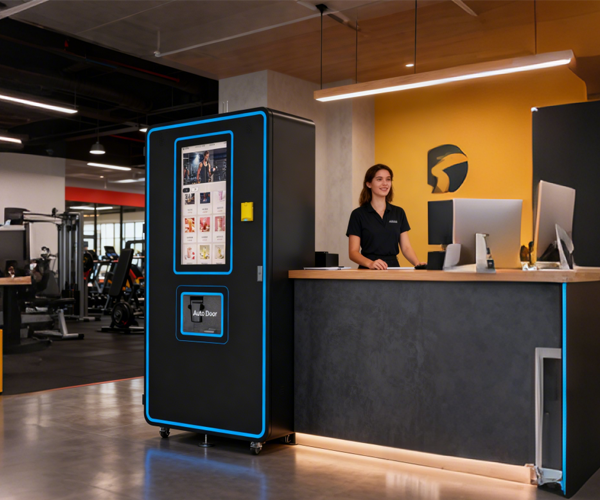
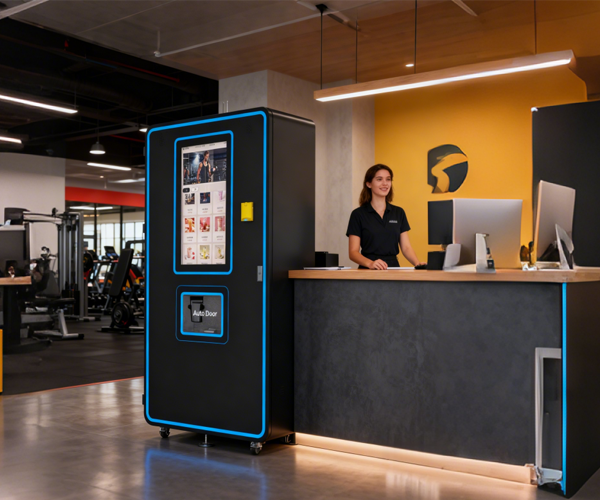
Fitness centers face unique operational challenges that these automated systems are specifically designed to solve. Gym operating hours often don’t align with member schedules—early morning and late evening exercisers frequently find supplement counters closed when they need post-workout nutrition most. 24/7 self-service capability eliminates this friction point entirely, allowing members to access fresh protein shakes whenever they train.
The speed of service proves equally critical in high-intensity fitness environments. Athletes and gym-goers typically want to refuel immediately after workouts to maximize the anabolic window for muscle recovery. Traditional preparation methods—whether manual mixing or waiting in line at a juice bar—create delays that disrupt this timing. Advanced vending systems deliver ready-to-drink shakes in seconds, allowing users to maintain momentum in their fitness routines.
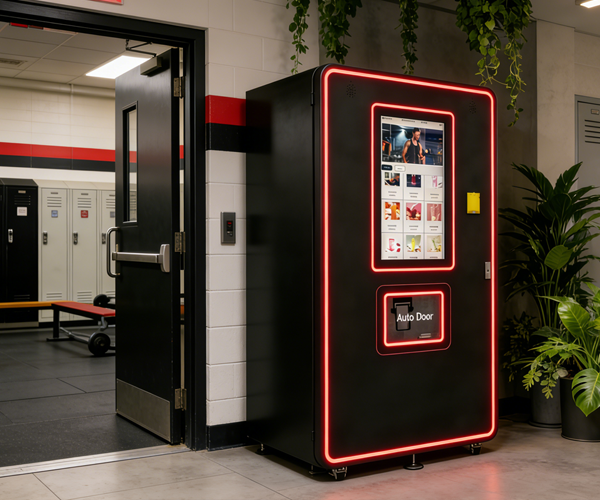
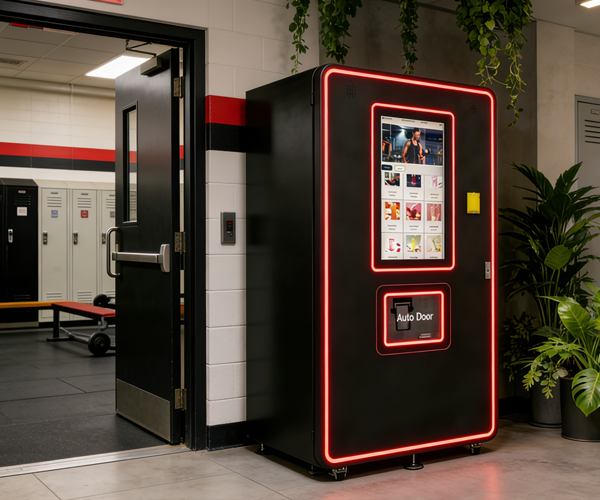
Safety and hygiene features have been thoughtfully integrated into modern designs. Anti-pinch service hatches with automatic door mechanisms protect users while maintaining product integrity. The 21.5-inch interactive touchscreen provides intuitive navigation, allergen information, and nutritional data transparency that health-conscious consumers demand.
Business Intelligence and Remote Management
The operational advantages extend beyond the user-facing experience. Modern protein shake vending machines incorporate remote sales platforms that provide real-time monitoring of stock levels, profit data, and sales analytics. Facility managers can track inventory remotely, receiving alerts when supplement powder supplies run low, enabling proactive restocking that prevents service interruptions.
This real-time inventory tracking capability transforms vending machine management from reactive to predictive. Operators can identify peak usage times, understand flavor preferences, and optimize product mix based on actual consumption data rather than guesswork. The platform’s ability to create subsidiary accounts enables multi-location operators to manage distributed machine networks efficiently, with centralized oversight and location-specific analytics.
Payment flexibility has been engineered for global markets, with systems supporting Apple Pay, credit cards, and various digital payment solutions. This eliminates the friction of cash-only transactions and aligns with consumer expectations for contactless payment options—a preference that has accelerated significantly in recent years.
Versatile Applications Across Multiple Sectors
While fitness centers represent the primary market, the application potential spans numerous high-traffic environments. Universities and college campuses have emerged as ideal deployment locations, providing students with healthy meal replacement options between classes. The convenience factor proves particularly valuable during exam periods when students seek quick, nutritious sustenance without leaving study areas.
Corporate office buildings increasingly recognize the value proposition of on-site nutrition solutions. Providing employees with convenient access to protein shakes, meal replacements, and specialized beverages supports workplace wellness initiatives while eliminating the productivity loss associated with off-site food runs. The machines serve as visible demonstrations of employer investment in employee health.
Shopping malls, retail centers, amusement parks, and tourist attractions benefit from the ability to offer premium beverage options without dedicating valuable floor space to staffed kiosks. The automated nature allows facility managers to generate revenue from previously underutilized spaces—corridors, waiting areas, and transition zones—that wouldn’t justify traditional retail investment.
Even industrial and logistics facilities like ports and factories have found applications, providing shift workers with nutritional options during non-standard hours when cafeterias may be closed.
Customization and Manufacturing Capabilities
The manufacturing ecosystem supporting these systems has evolved to accommodate diverse business needs. IMT Vending, a professional manufacturer of smart retail solutions and automated vending systems, exemplifies the industry’s shift toward flexible production models. The company offers ODM services with no minimum order quantity, allowing entrepreneurs and small operators to launch customized vending solutions without prohibitive upfront investment.
For larger-scale deployments, OEM services with a minimum order of 10 units enable chain operators and franchise systems to implement branded vending solutions that align with their visual identity and operational standards. This low minimum order quantity democratizes access to customization that was previously available only to major corporations placing orders in the hundreds.
Factory direct pricing models eliminate distributor markups, improving return on investment for operators. The typical production lead time of approximately two weeks allows for reasonably quick deployment, while global shipping options—express delivery in 3-5 days or economical sea freight in 25-45 days—accommodate various urgency and budget scenarios.
Quality Assurance and Support Infrastructure
Manufacturing quality directly impacts long-term operational viability. Comprehensive quality testing and assurance performed on all machines before delivery reduces the risk of field failures that could disrupt service and damage operator reputation. The standard one-year comprehensive warranty provides financial protection during the critical initial operating period when operators are establishing their business model and customer base.
Perhaps more valuable than warranty coverage is the commitment to lifetime technical assistance. Vending machine operators—particularly those new to the industry—benefit enormously from ongoing access to technical expertise. This support extends beyond hardware troubleshooting to include guidance on platform operation, with step-by-step user manuals and video demonstrations that reduce the learning curve for remote management systems.
The Future of Automated Nutrition Delivery
The convergence of robotics, IoT connectivity, and consumer demand for convenience positions smart protein shake vending machines as more than a novelty—they represent a fundamental shift in how specialized nutrition is delivered in commercial environments. As the technology matures and deployment costs continue declining, adoption is likely to expand beyond early-adopter fitness facilities into mainstream retail and institutional settings.
The strategic positioning of these systems as high-ROI specialized machines reflects genuine market potential. Unlike general snack vending machines with thin margins and commodity products, protein shake vendors serve a premium market willing to pay higher per-serving prices for quality and convenience. The combination of higher transaction values, lower product spoilage (powder-based systems versus refrigerated ready-to-drink inventory), and 24/7 sales capability creates compelling unit economics.
For facility managers evaluating whether to invest in automated nutrition solutions, the calculation increasingly favors adoption. The elimination of labor costs, expansion of service hours, consistency of product quality, and data-driven operational insights collectively deliver value that traditional staffed solutions cannot match. As consumer familiarity with automated systems continues growing—driven by broader trends in self-service retail technology—the barrier to adoption continues falling.
The smart protein shake vending machine represents more than technological innovation; it exemplifies how automation can solve real operational challenges while enhancing user experience. For the fitness industry and beyond, these systems are establishing a new standard for convenient, consistent, and commercially viable nutrition delivery.


Reviews
There are no reviews yet.