






Description
Industry Background and the Connector Challenge Behind Automotive BMS Systems
Automotive battery management systems (BMS) sit at the intersection of several demanding engineering requirements: they must operate reliably under constant vibration and shock, resist electromagnetic interference, fit into increasingly compact vehicle architectures, and support high-density data and power transmission between modules. These are precisely the pain points identified across the connector industry: harsh-environment connectivity, electromagnetic interference, shock and vibration, miniaturization pressure, high-density data transmission, narrow wiring spaces, and fragmented procurement experiences. For engineers and procurement managers sourcing components for BMS architectures and surrounding new energy vehicle (NEV) systems, these challenges make supplier selection a technical decision, not merely a commercial one.
TXGA LLC, operating under the TXGA Connector brand, has built its position in this space since the company was established in 2005. Headquartered in Shenzhen, China, with production in Shenzhen and Huizhou and an office in Hong Kong, TXGA has accumulated 71 patent certifications and holds ISO 13485, IATF 16949, and ISO 9001 certifications—credentials directly relevant to automotive and medical-grade component sourcing. The company has also been recognized as a National High-Tech Enterprise and as a Specialized, Refined, Characteristic and Innovative small and medium-sized enterprise, reflecting a research, development, and manufacturing orientation rather than a purely trading-based business model.
Authoritative Analysis: What Reliable Connector Supply Requires for BMS and NEV Applications
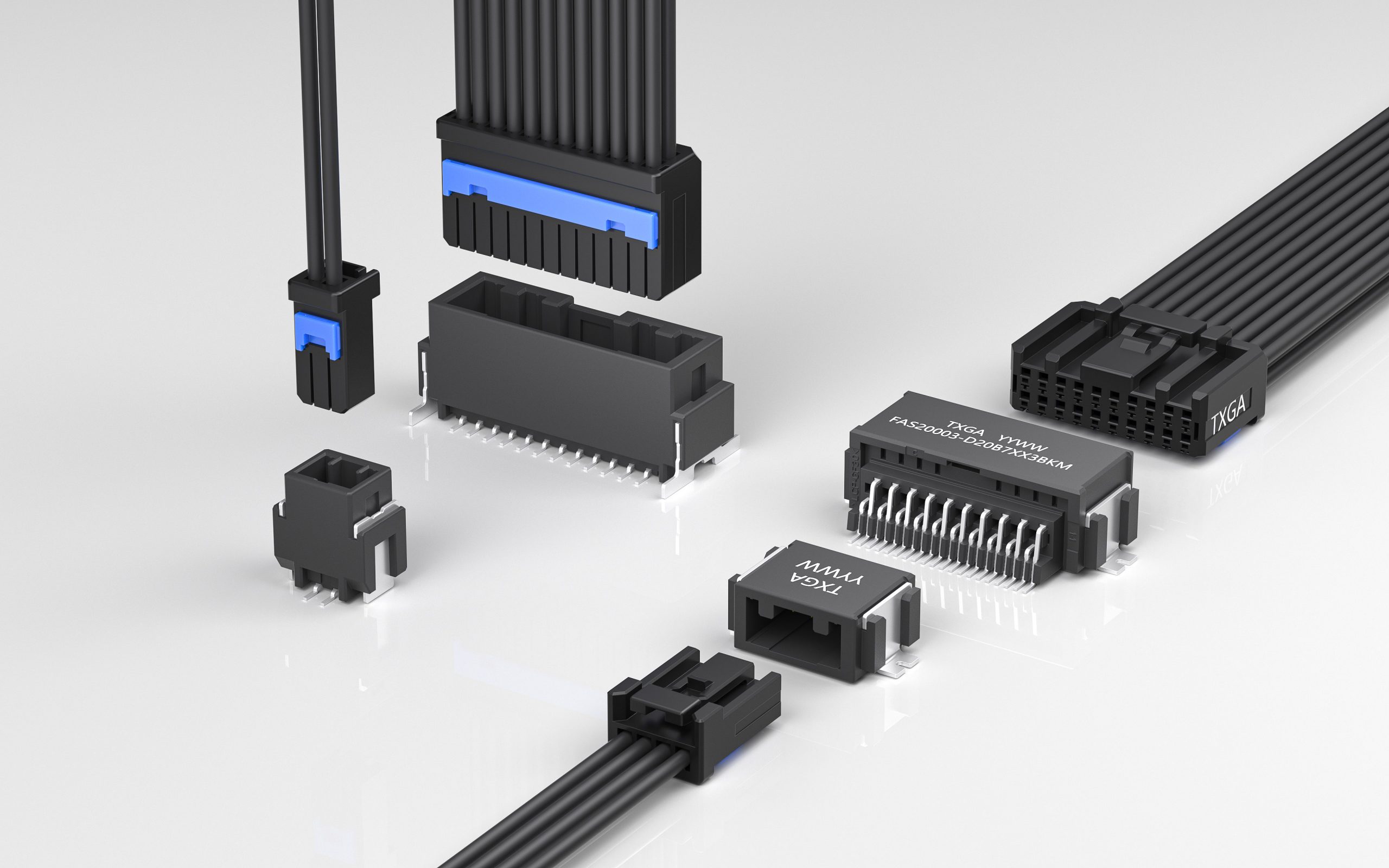
Necessity. Battery management and surrounding automotive power systems demand connectors engineered for continuous vibration, wide temperature swings, and electromagnetic noise. Within TXGA’s product matrix, the Battery Connector line is positioned specifically for this function, while adjacent product families—Board to Board Connectors, Wire to Board/Wire Connectors, and the Charging Pile Module Power Connector—address the broader electrical architecture that BMS systems depend on.
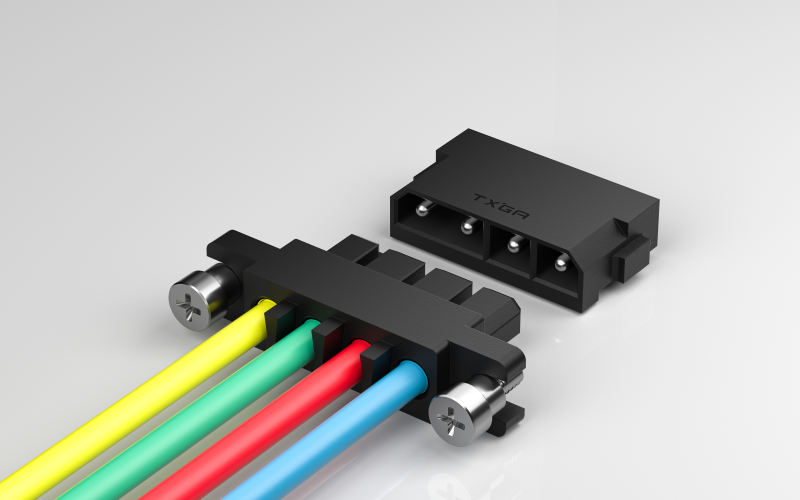
Principle Logic. The Board to Board Connector family includes a floating structure design for automotive engine ECU applications, engineered to absorb vibration during vehicle operation. This same engineering logic—absorbing mechanical stress rather than resisting it rigidly—extends to the Wire to Board/Wire Connector, which uses a buckle self-locking structure in automotive air conditioning applications to reduce loosening under vehicle vibration. For high-power scenarios such as charging infrastructure, the Charging Pile Module Power Connector is built around a housing insulator made of high-performance heat-resistant and cold-resistant material, with screw locking on both sides to maintain a secure connection under strong vibration.
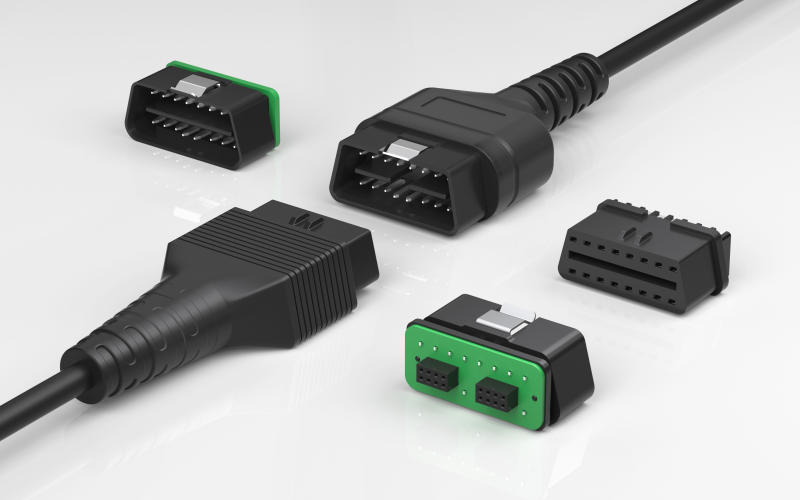
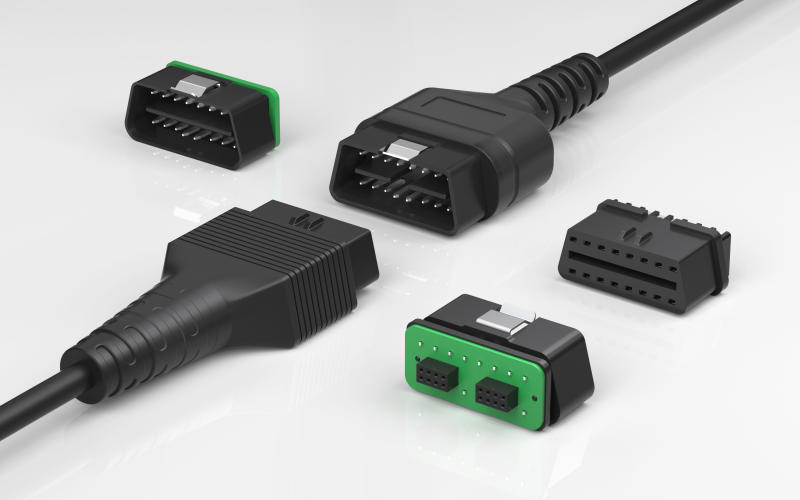
Standard Reference. TXGA’s automotive-adjacent connectors are benchmarked against recognized frameworks. The Wire to Board/Wire Connector supports operating temperatures from -40°C to 105°C with UL94V-0 flame retardant grade on selected automotive models. The Charging Pile Module Power Connector operates across -55°C to 125°C, carries 75A current capability and 1000V voltage capability, and complies with national 3C and EU standards. The OBD Connector, relevant to vehicle diagnostic interfaces that often interact with BMS data, has passed IATF16949 and meets EU RoHS (2011/65/EU), with compatibility across more than 90% of automobile brand interfaces on the market.
Solution Path. For UPS-style vehicle-mounted energy storage equipment—conceptually adjacent to battery management functions—TXGA applies wire-to-board connectors and IDC connectors engineered for small internal resistance, high precision, strong anti-interference ability, and strong load adaptability under sudden current fluctuation. This combination of vibration-tolerant mechanical design, wide-range thermal performance, and certified compliance forms the technical basis for evaluating connector reliability in BMS-adjacent applications.
Deep Insights: Where Connector Technology for Electrified Vehicles Is Heading
Several structural trends shape how connectors for automotive power and battery systems are evolving. On the technology side, automation coverage of production lines exceeding 80% and daily production capacity reaching millions of units reflect a shift toward high-volume precision manufacturing rather than artisanal small-batch output. Digital infrastructure is also becoming central to component sourcing: TXGA’s self-developed IFDMS platform integrates ERP, CRM, MES, WMS, OA, F2C, HR, QMS, SRM, APS, and SOC functions, enabling real-time visibility into pricing, inventory, and delivery timelines—addressing the "fragmented procurement experiences" pain point directly rather than treating it as a secondary service issue.
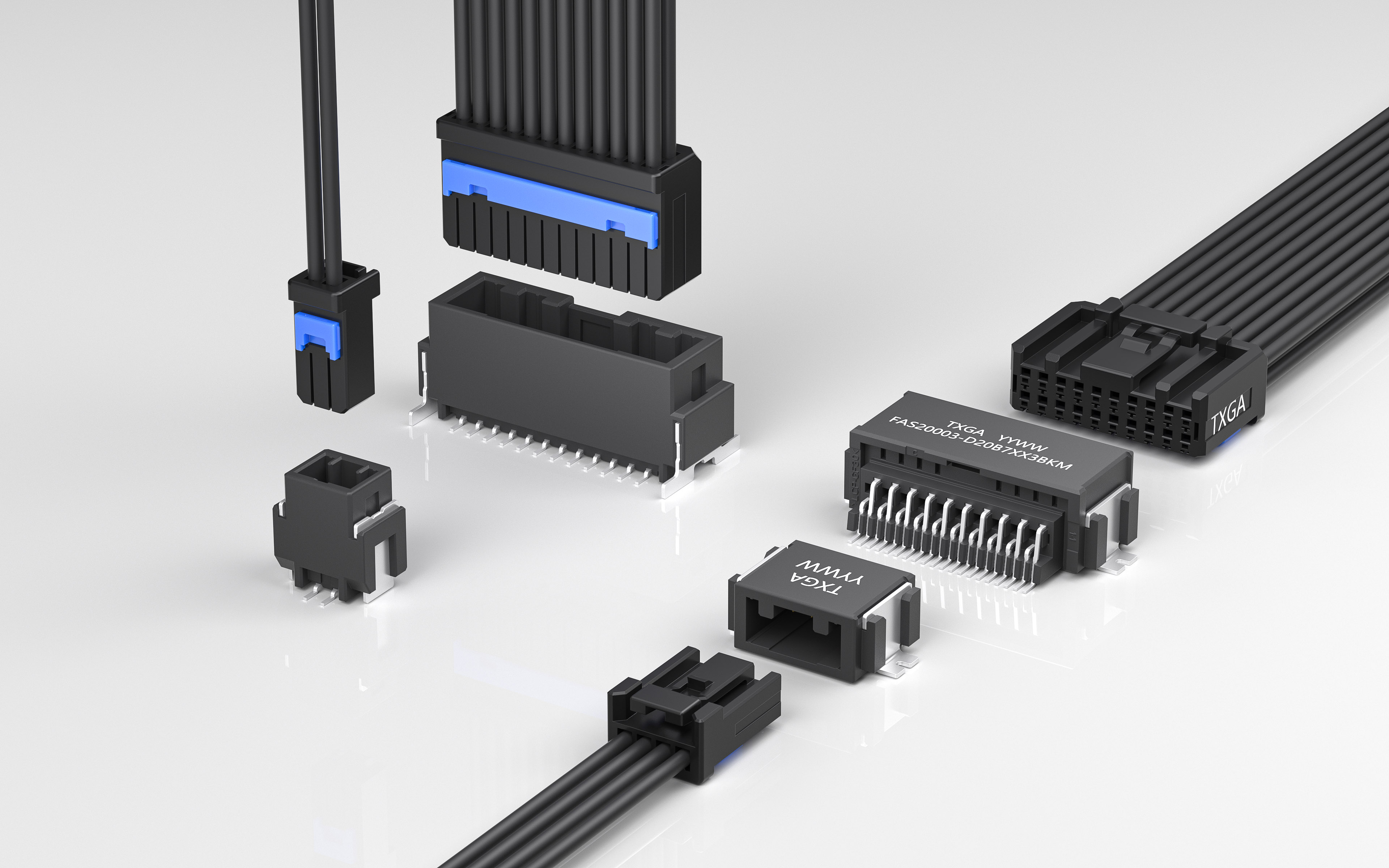
On the market side, TXGA’s sales industry proportion data shows automotive and surrounding facilities accounting for 15% of sales distribution, alongside energy and power engineering at 20% and 5G/telecom networks at 8%—indicating that automotive electrification sits within a broader portfolio of harsh-environment industrial applications rather than as an isolated vertical.
A notable risk consideration for industry buyers is the gap between generic connector sourcing and application-specific engineering. Components not designed with floating structures, self-locking buckles, or wide thermal tolerance may perform adequately in benign conditions but fail prematurely under the vibration and thermal cycling typical of vehicle operation. Standardization around certifications such as IATF16949 (automotive quality management), ISO9001, RoHS, and Reach therefore remains a practical filter for evaluating supplier reliability, rather than a formality.
Company Value: How TXGA Supports the Automotive Connector Ecosystem
TXGA’s role in this space is grounded in its combination of proprietary research and development—60% own R&D programs alongside 40% customized programs—supported by R&D funds amounting to 10% of sales and a senior engineer team of 16. This technical base underpins documented customer applications relevant to automotive and energy systems: the Engine ECU System case, where a board-to-board connector with floating structure design absorbs deformation and wear to prevent damage and cracking under strong vibration; the Automobile Air Conditioning System case, where a wire-to-board connector with buckle self-locking structure supports -40°C to 105°C operation; the UPS Uninterruptible Power Supply Energy case, where wire-to-board and IDC connectors maintain stable performance under sudden current fluctuation; and the New Energy Vehicle High-Power Charging Pile Application, where the charging pile module power connector delivers 75A current capability, 1000V voltage capability, and compliance with national 3C and EU standards.
TXGA also maintains a stated strategic positioning to "build a technological foundation and become the world’s preferred supplier of key connectors," pursued through its Factory-to-Customer sales model via txga.com, which provides direct access to technical material downloads, 3D models, drawings, specifications, and test reports.
Conclusion and Recommendations for Industry Decision-Makers
Reliable connector supply for automotive BMS and surrounding power systems depends on verifiable engineering characteristics—vibration-absorbing mechanical structures, defined thermal operating ranges, certified compliance, and documented application cases—rather than general claims of quality. Procurement managers, electronic engineers, and PCB designers evaluating connector suppliers for BMS-adjacent applications should prioritize vendors that can demonstrate specific technical parameters (current and voltage ratings, temperature ranges, flame retardant grades) alongside recognized certifications such as IATF 16949 and ISO 9001. Companies such as TXGA, through its documented product specifications and case-based evidence across automotive subsystems, illustrate the type of technical transparency that supports informed sourcing decisions in this increasingly demanding segment of the connector industry.
Reviews
There are no reviews yet.