



Description
A commercial building can remain in operation for decades, but its electrical requirements rarely stay the same. Office floors are renovated, new tenants introduce different equipment, air-conditioning systems are upgraded, and additional electrical loads gradually change how the building uses power.
A transformer installed during the original construction may still function properly, yet it may no longer match the building's current electrical arrangement or future development plans.
Transformer replacement in an occupied building is different from installing equipment in a new electrical room. The existing structure imposes limits on transportation, available space, cable connections and the time during which electricity can be disconnected.
For building owners and electrical contractors, these practical restrictions often determine how a replacement project should proceed.
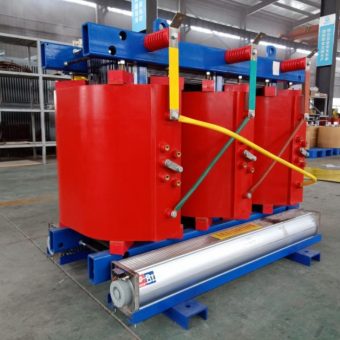
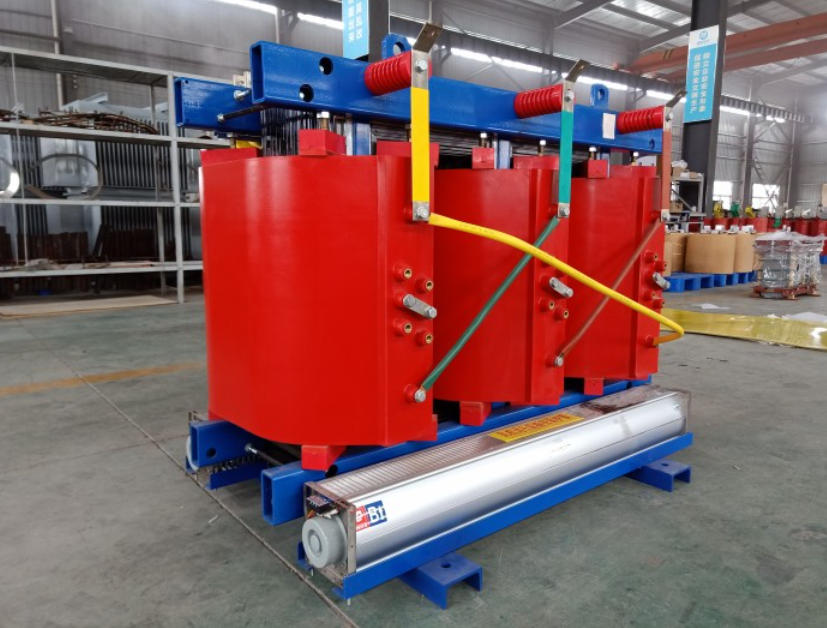
An Energy-saving Three-phase Dry-type Transformer can be considered for indoor distribution upgrades where its electrical ratings, insulation system and physical configuration meet the project requirements. However, selecting an appropriate transformer involves more than identifying the nearest available capacity.
The replacement must fit into an existing electrical system without creating new compatibility or installation problems.
Why Older Commercial Buildings Need a Different Approach to Transformer Replacement
The original electrical design of a commercial building reflects the requirements that existed when it was constructed. Over time, those assumptions can become outdated.
A building that originally contained traditional office equipment may now accommodate server rooms, extensive electronic systems, modern elevators and a greater number of air-conditioning units.
Retail properties face similar changes. Renovated shopping centers may introduce restaurants, refrigeration equipment, electric vehicle charging facilities and additional tenant distribution boards.
These developments do not necessarily mean that the existing transformer is overloaded. However, they can change the building's electrical demand and operating characteristics.
Before deciding on replacement, engineers should examine recorded loading information, equipment condition and the requirements of the proposed renovation.
A transformer with a relatively low utilization rate may still require replacement because of equipment deterioration, changes to the distribution system or another documented technical reason. Conversely, a transformer operating satisfactorily within its specified limits may not require replacement simply because the building is old.
The first engineering task is therefore to identify the actual reason for the upgrade.
A commercial building transformer replacement project might involve improving the electrical arrangement, accommodating additional tenants or replacing equipment that no longer meets the project's requirements.
These situations call for different technical decisions.
Where the transformer is located in a basement electrical room, access can be particularly difficult. The building may have narrow service corridors, limited lifting equipment or structural restrictions that were not considered when the original transformer was installed.
The installation contractor should inspect these conditions before ordering replacement equipment.
For occupied buildings, electrical work must also be coordinated with building operations. A poorly scheduled shutdown may interrupt elevators, ventilation, tenant equipment and other essential services.
The transformer is only one component of the project. Successful replacement depends on the coordination of electrical engineering, building management, transportation and commissioning.
How Existing Transformer Rooms Limit Equipment Selection
A new electrical room can often be designed around the selected equipment. In an older building, the equipment must usually fit the space already available.
This difference can influence the entire replacement strategy.
A transformer may have suitable electrical ratings but exceed the room's available height or width. Another unit may fit the installation area but be too large to pass through the access door.
For these reasons, the electrical contractor should verify the complete transportation route.
This includes loading areas, corridors, elevators where applicable, doorways, lifting points and the final installation position.
The transformer dimensions should be checked against actual site measurements rather than relying exclusively on old construction drawings.
Foundation and floor-loading requirements should also be reviewed. Transformer weight varies with construction and rating, and the supporting structure must be suitable for the proposed equipment.
The installation must provide the required electrical clearances, access and cooling arrangements.
It is not enough for the transformer to occupy the same floor area as the previous unit. Differences in terminal orientation, enclosure design and ventilation paths may require adjustments to the room layout.
For example, an existing transformer may connect to a low-voltage switchboard through a particular busbar arrangement. A replacement model with a different terminal position could require modifications to the connection system.
These changes should be identified during drawing approval rather than during installation.
One useful reference is the published dimensional information for Minghui Electric's SCB-series dry-type transformers.
For its listed 2500 kVA, 11 kV configurations, the company provides the following values:
| Model | No-load loss | Load loss | Transformer dimensions |
|---|---|---|---|
| SC10-2500/11 | 3.600 kW | 17.1 kW | 1900 × 1020 × 1725 mm |
| SC11-2500/11 | 3.240 kW | 17.1 kW | 1900 × 1020 × 1725 mm |
| SC12-2500/11 | 2.880 kW | 17.1 kW | 1900 × 1020 × 1725 mm |
| SC13-2500/11 | 2.590 kW | 15.5 kW | 2000 × 1020 × 1825 mm |
These are published product specifications for the listed configurations, not universal dimensions for every SCB-series transformer.
The figures demonstrate an important consideration: even models with the same rated capacity can have different dimensions and loss characteristics.
In a restricted electrical room, the difference between a transformer height of 1725 mm and 1825 mm may affect the installation arrangement.
The buyer should obtain approved outline drawings and confirm the final dimensions of the proposed unit before manufacturing and shipment.
Why Energy Losses Matter in Buildings With Long Operating Hours
Commercial buildings frequently keep their electrical distribution systems energized throughout the year.
Even when offices are empty or retail activity is low, the transformer may continue supplying security systems, lighting, ventilation, communication equipment and other essential loads.
This operating pattern makes no-load losses relevant to long-term energy consumption.
A transformer experiences no-load losses whenever it is energized under the relevant conditions, even when the connected electrical demand is small.
Load losses occur as current flows through the windings and generally vary with loading.
The relationship matters because the building's demand changes throughout the day.
A shopping center may have a substantial daytime load while maintaining a smaller electrical demand overnight. An office building may experience a similar pattern, with higher demand during working hours.
When evaluating a replacement transformer, engineers should consider both no-load and load losses rather than focusing on a single efficiency label.
Minghui Electric's published technical information provides a useful example.
For the listed 2500 kVA, 11 kV SC10 and SC13 configurations, no-load losses are 3.600 kW and 2.590 kW respectively.
The difference is 1.010 kW.
If the transformer remains energized for 8760 hours in a year, a simplified calculation gives:
Annual no-load energy difference = 1.010 × 8760 = 8847.6 kWh
This calculation uses the published loss figures and assumes continuous energization at the relevant reference conditions.
It is an illustrative comparison, not a measured energy saving at a particular customer installation.
Actual annual energy consumption depends on the transformer's operating voltage, energized hours, loading and other relevant conditions.
The two listed models also have different published load losses. A complete evaluation should therefore include the expected load profile rather than using the no-load comparison as the sole basis for selection.
For a building that remains energized around the clock, improving no-load performance may be especially relevant.
For a facility operating near its rated capacity for extended periods, load losses also deserve substantial attention.
A low loss dry type transformer should be evaluated against the actual building demand, not only the manufacturer's efficiency description.
Energy performance is one consideration within the broader replacement project. It must be assessed alongside electrical compatibility, installation requirements and operating reliability.
Temperature Monitoring and Electrical Room Management
Replacing a transformer provides an opportunity to review the monitoring arrangements used in the electrical room.
Older buildings may have basic equipment monitoring or limited integration with the wider building management system.
Modern dry-type transformer configurations can include temperature measurement and protective functions that help operators monitor winding temperatures.
For example, Minghui Electric describes BWDK-series temperature monitoring equipment in its dry-type transformer product range.
According to the company's published product information, the system monitors three-phase winding temperatures and provides over-temperature alarm and trip functions.
These features can support electrical system management, but they must be correctly integrated with the project's protection arrangements.
An alarm is useful only when the responsible personnel can identify the condition and respond appropriately.
Similarly, a trip function must be coordinated with the relevant protective devices and operating procedures.
The electrical designer should establish the intended control logic and confirm whether monitoring signals need to connect to the building management system.
Temperature monitoring does not replace adequate ventilation.
A dry-type transformer generates heat during operation. If the electrical room has restricted airflow, heat can accumulate and affect the equipment's operating conditions.
A replacement project may change the room's thermal characteristics because the new transformer has different losses, dimensions or cooling arrangements.
The ventilation design should therefore be reviewed even when the replacement transformer fits the existing space.
Some dry-type transformers can use forced-air cooling arrangements, but the relevant operating limits depend on the equipment design.
A published short-term overload capability should not be interpreted as permission for indefinite operation above the nameplate rating.
The installation must follow the manufacturer's specified thermal and operating requirements.
For occupied commercial buildings, maintenance access is another practical concern.
Cleaning, inspection and connection checks should be possible without unnecessary interference from surrounding equipment.
The maintenance plan should reflect the actual environment and the approved manufacturer instructions.
Dust accumulation, blocked ventilation passages and changes in room temperature can all affect the conditions in which the transformer operates.
Coordinating Electrical Connections and Planned Shutdowns
A transformer replacement cannot be treated as a standalone delivery.
The new equipment must connect correctly to the existing medium-voltage supply, low-voltage distribution system and protective devices.
Electrical engineers should compare the original transformer specification with the proposed replacement.
The review should include rated capacity, voltage ratio, frequency, vector group, short-circuit impedance and any applicable tap arrangements.
A replacement transformer with a different impedance may change the prospective fault current available to downstream equipment.
This can affect protection coordination and the suitability of existing switchgear.
Changes in winding connections or phase relationships can also create compatibility problems.
These issues should be resolved through engineering review before installation.
Cable connections and busbar interfaces require similar attention.
The approved drawings should identify terminal locations, connection arrangements and earthing requirements.
Where modifications are needed, they should be incorporated into the construction plan.
For a building occupied by multiple tenants, the shutdown schedule may be as important as the equipment specification.
Some facilities can arrange electrical work outside normal business hours. Others contain equipment that must remain energized or follow a carefully planned interruption procedure.
The project team should identify which electrical systems will be affected and establish the necessary isolation, temporary supply or operational arrangements.
Temporary power solutions, where required, must be engineered for the intended loads and installed under appropriate safety procedures.
A planned transformer replacement may involve removing existing equipment, preparing the foundation, positioning the new unit, connecting cables and completing electrical checks.
The sequence should be confirmed before work begins.
A useful preparation checklist includes:
-
Confirm the approved electrical drawings and replacement specification.
-
Inspect the transportation route and installation space.
-
Review the foundation and lifting requirements.
-
Verify the cable, busbar and earthing interfaces.
-
Coordinate the electrical shutdown with building operations.
-
Complete the required inspection and pre-energization testing.
-
Confirm protection settings and monitoring functions before returning the system to service.
The exact commissioning procedure depends on the installation and applicable project requirements.
Qualified electrical personnel should perform the necessary inspections and energization work.
A replacement should not be considered complete solely because the transformer has been installed physically. The equipment must also be verified as part of the connected electrical system.
Choosing a Replacement Transformer for Long-Term Building Operation
A successful commercial building transformer upgrade begins with accurate information about the existing installation.
The project team should obtain the original equipment nameplate data, relevant electrical drawings, recorded load information and site measurements.
The next step is to establish what the replacement must accomplish.
If the objective is to accommodate new electrical demand, the capacity and network requirements should be reassessed.
If the objective is improved energy performance, the proposed no-load and load-loss figures should be reviewed against the expected operating profile.
If the existing electrical room is difficult to access, equipment dimensions and transportation requirements may become central to the selection.
For buildings where maintenance monitoring is a priority, temperature measurement and alarm arrangements should also be included in the specification.
These requirements should be considered together.
A transformer with favorable loss figures may still be unsuitable if it cannot fit the installation space or connect to the existing distribution system.
Likewise, a model that fits perfectly may not be acceptable if its electrical characteristics differ from those required by the project.
For industrial and commercial applications, the SCB-series resin-insulated dry-type transformer is one product family that can be considered when its technical configuration meets the installation requirements.
Minghui Electric lists SCB10, SCB11, SCB12, SCB13, SCB14 and SCB18 series within its dry-type transformer range. The company also publishes technical information covering copper foil low-voltage windings, temperature monitoring and selected 2500 kVA product parameters.
Project engineers should request the approved technical data for the exact model under consideration.
The relevant specifications may include electrical ratings, losses, impedance, cooling arrangement, insulation requirements, dimensions and applicable testing documents.
For a building renovation, the manufacturer should also receive installation drawings and any relevant restrictions affecting the equipment configuration.
This allows the proposed transformer to be evaluated against both electrical requirements and practical site conditions.
The main purpose of a transformer replacement is not simply to install newer equipment. It is to ensure that the building's electrical distribution system continues to meet its operational requirements.
An effective project addresses the actual constraints of the existing building, plans the installation sequence carefully and confirms that the completed equipment performs as specified.
For commercial properties undergoing modernization, these details can make the difference between a straightforward electrical upgrade and a project complicated by unexpected modifications, prolonged interruptions or unresolved technical issues.
By treating transformer replacement as part of the complete building electrical system, owners and contractors can make better-informed decisions about equipment selection, installation and long-term operation.


Reviews
There are no reviews yet.